
SV21 | Building Rehabilitation
Client: Real Estate Developer
Area: 198,00 m2
Team: Engineering: Eng Armanda Santos, Adesus Lda
Construction: to be defined
Contractualization: 2024
[Work]
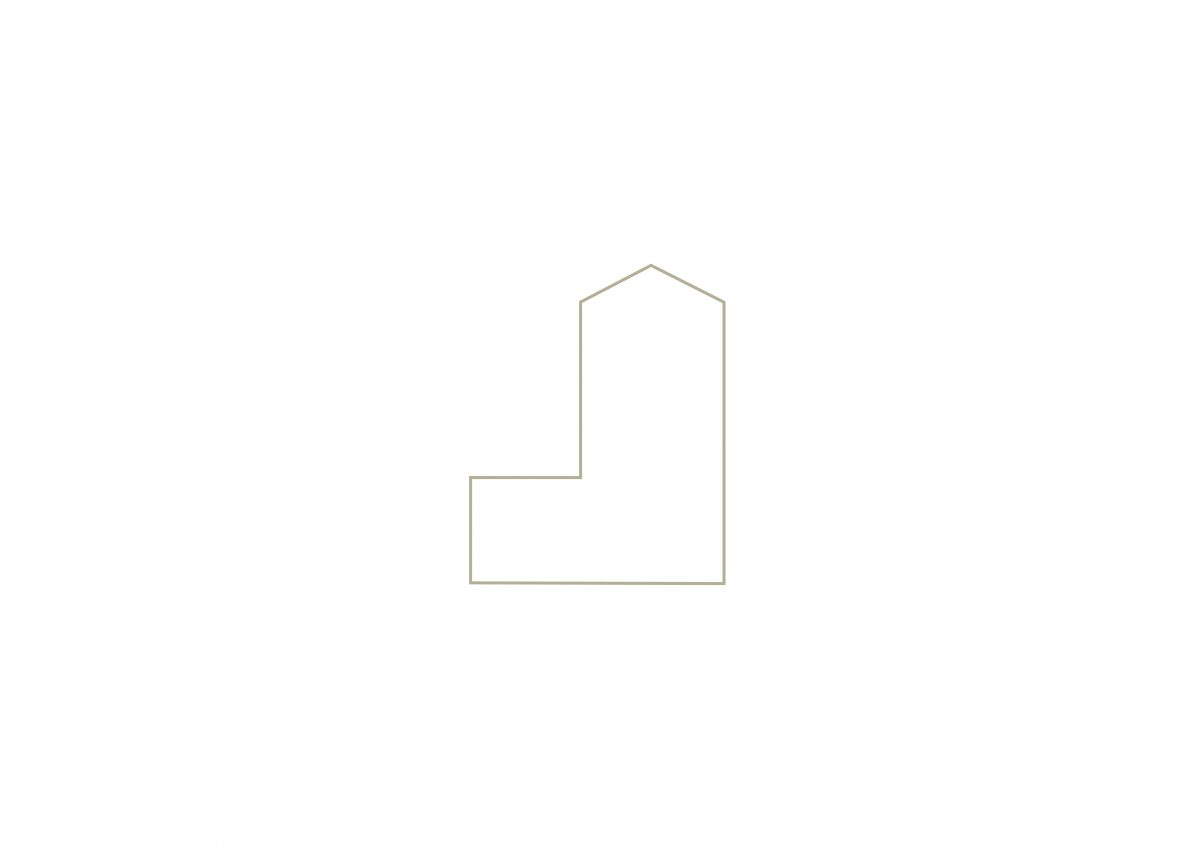
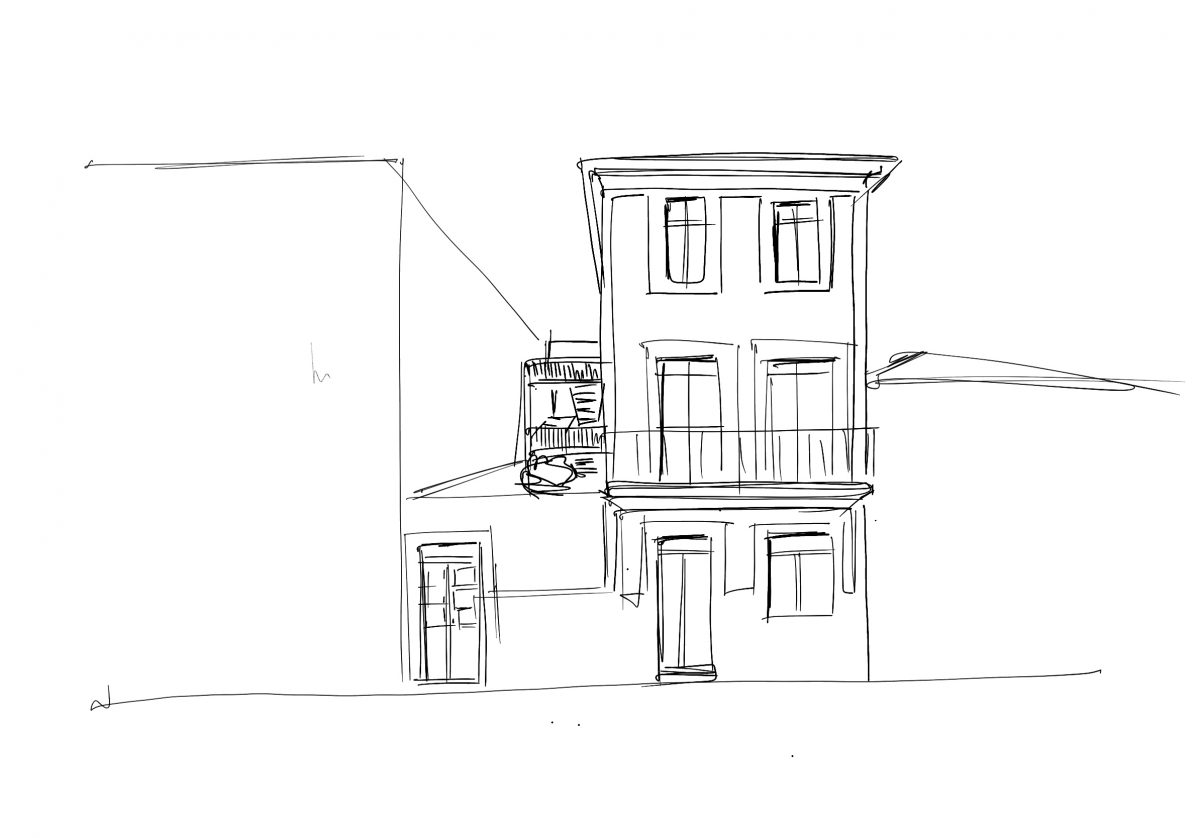
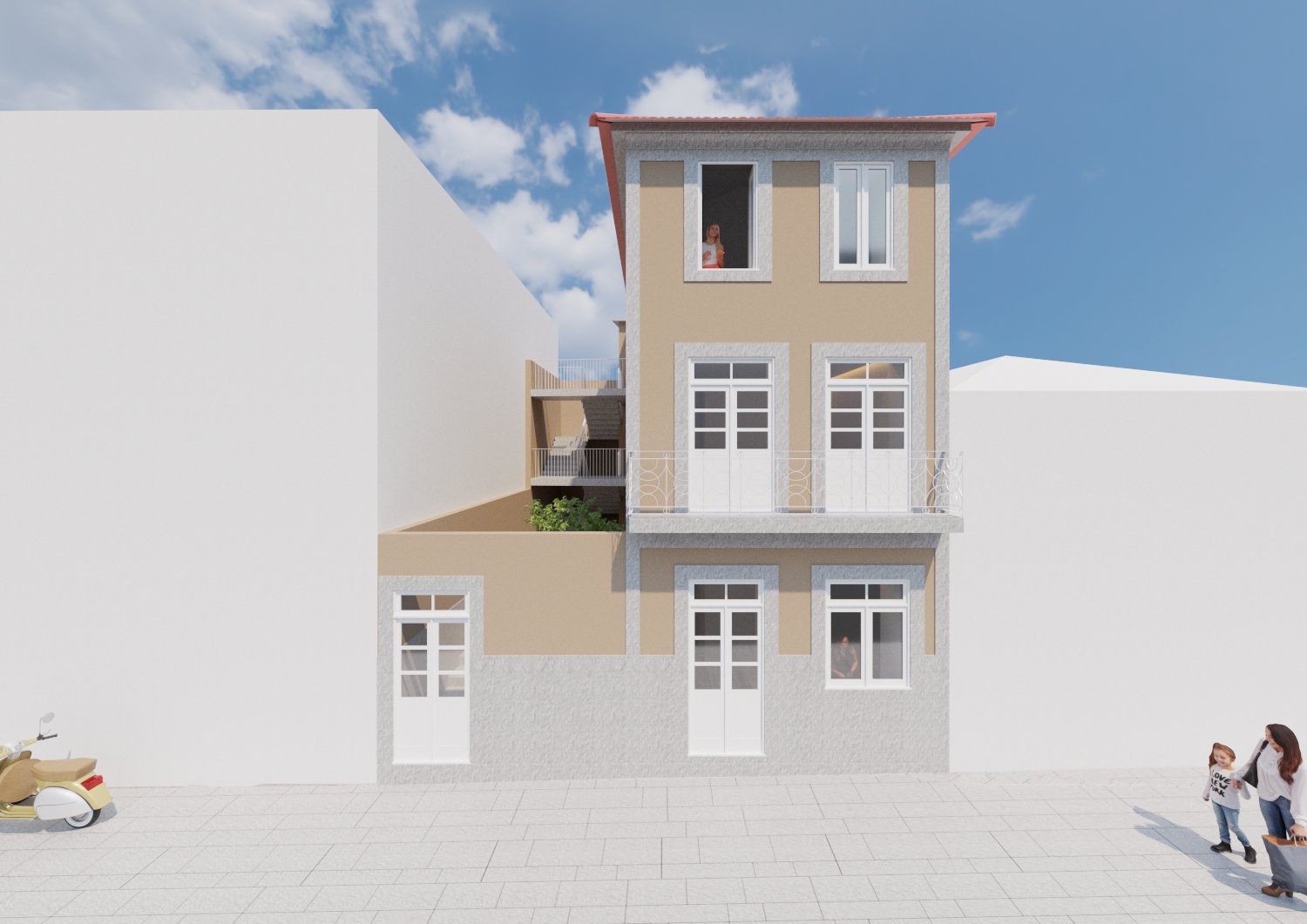
The refurbishment of a residential building on Travessa de São Vítor, in Porto, transforms a vacant structure into a set of one-bedroom apartments, articulated around a new access system that reinterprets the connection between the interior and the urban space.
The project was born out of a particular condition: next to the building there was an empty lot – an expectant space that, instead of being densified, was incorporated as a structuring element of the intervention.
Living Abroad
A new entrance born from emptiness
Architecture that inhabits the void
Boundaries between the private and the social
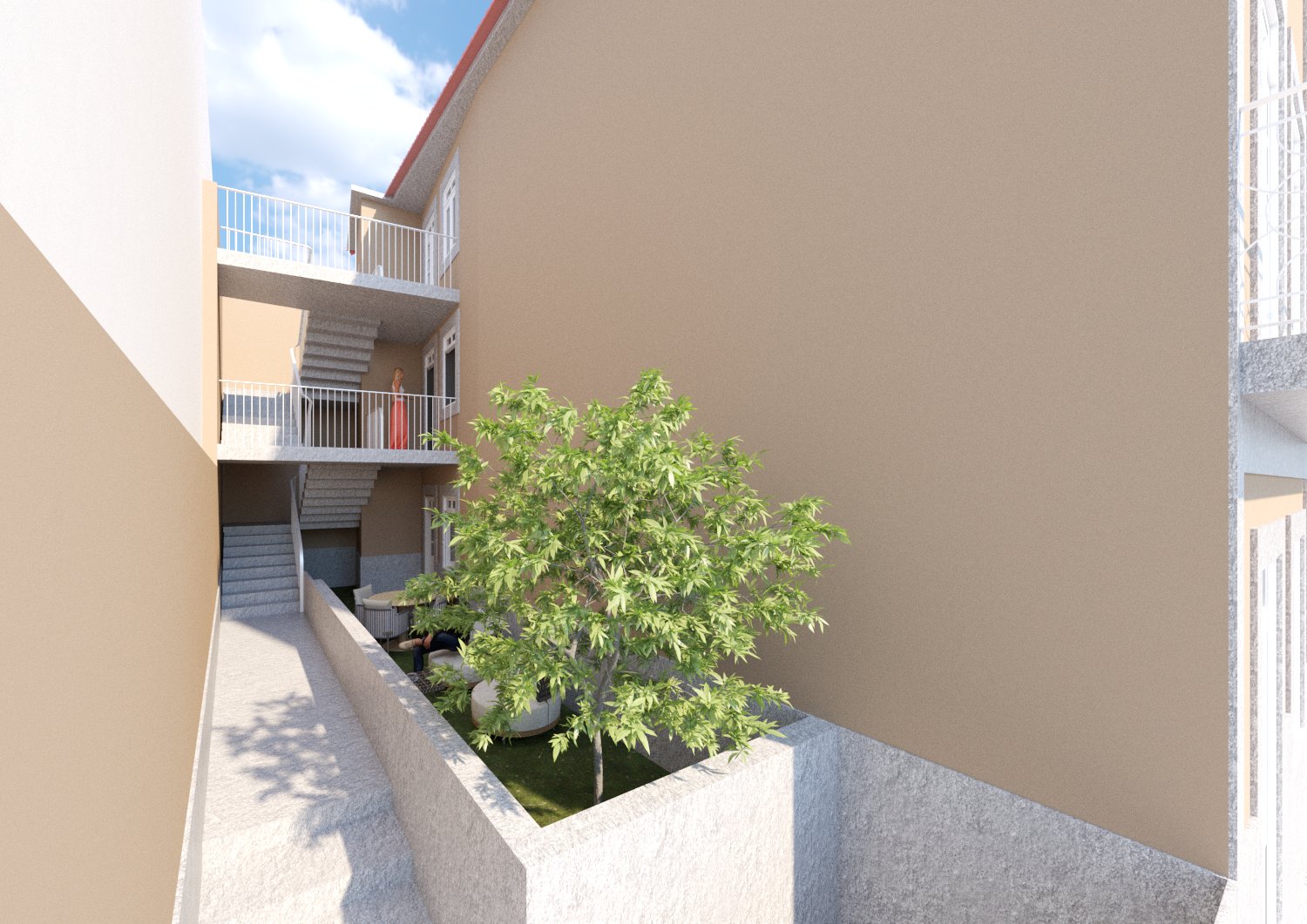
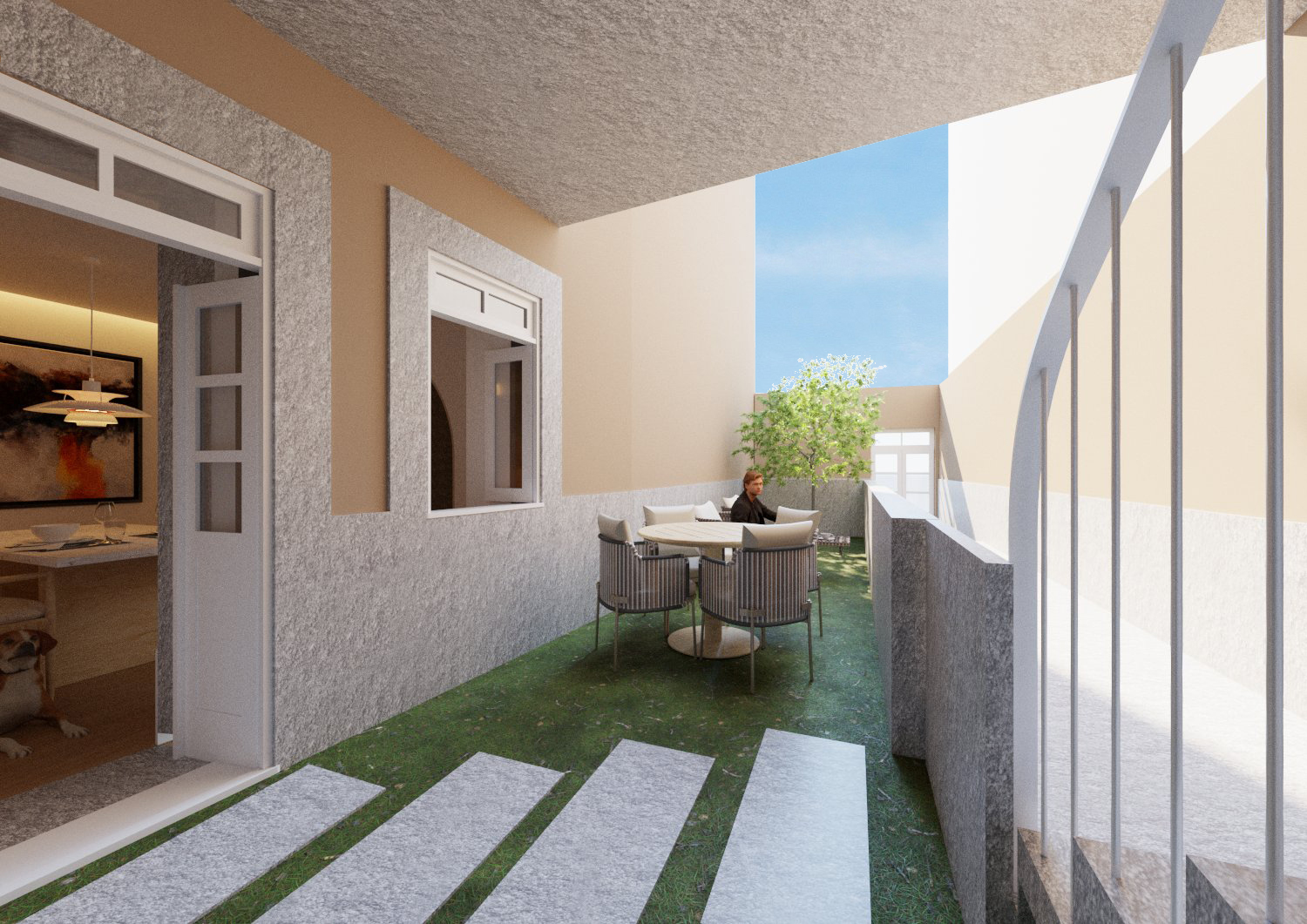
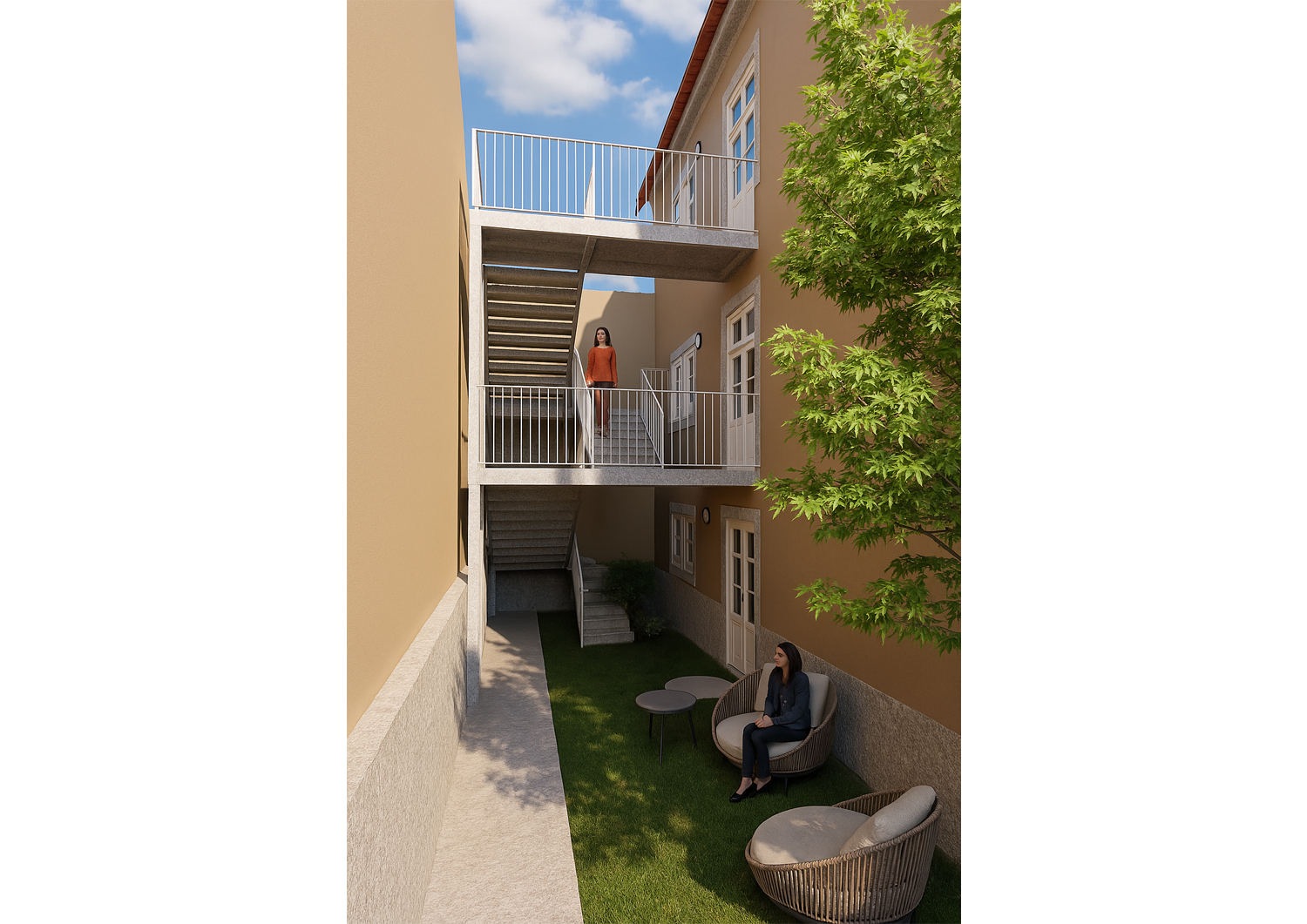
The staircase isn’t just a circulation element – it’s also a transitional space, where the interior of the house opens onto small private patios, expanding domestic life and creating moments of contact with the city.
Through these transitional spaces, emptiness becomes architectural matter – more than an absence, it becomes a presence and an experience.
Architecture that inhabits the void
Porous borders between the private and the common
The staircase isn’t just a circulation element – it’s also a transitional space, where the interior of the house opens up to small private patios or outdoor sheltered areas, expanding domestic life and creating moments of contact with the city and the sky.
Through these transitional spaces, emptiness takes on an architectural role – more than an absence, it becomes a presence and an experience.
Architecture that reveals the essential
Interiors adapted to everyday life
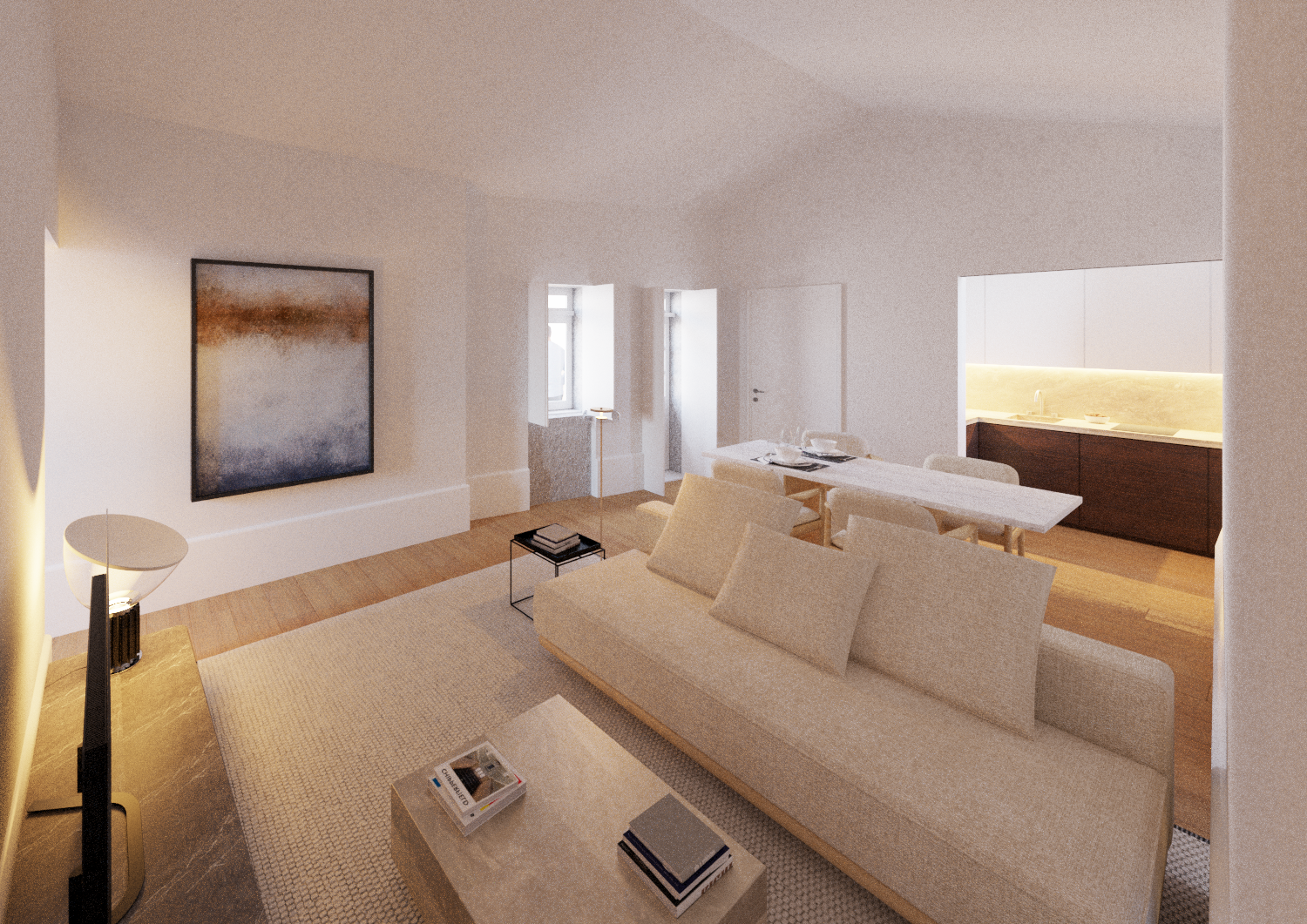
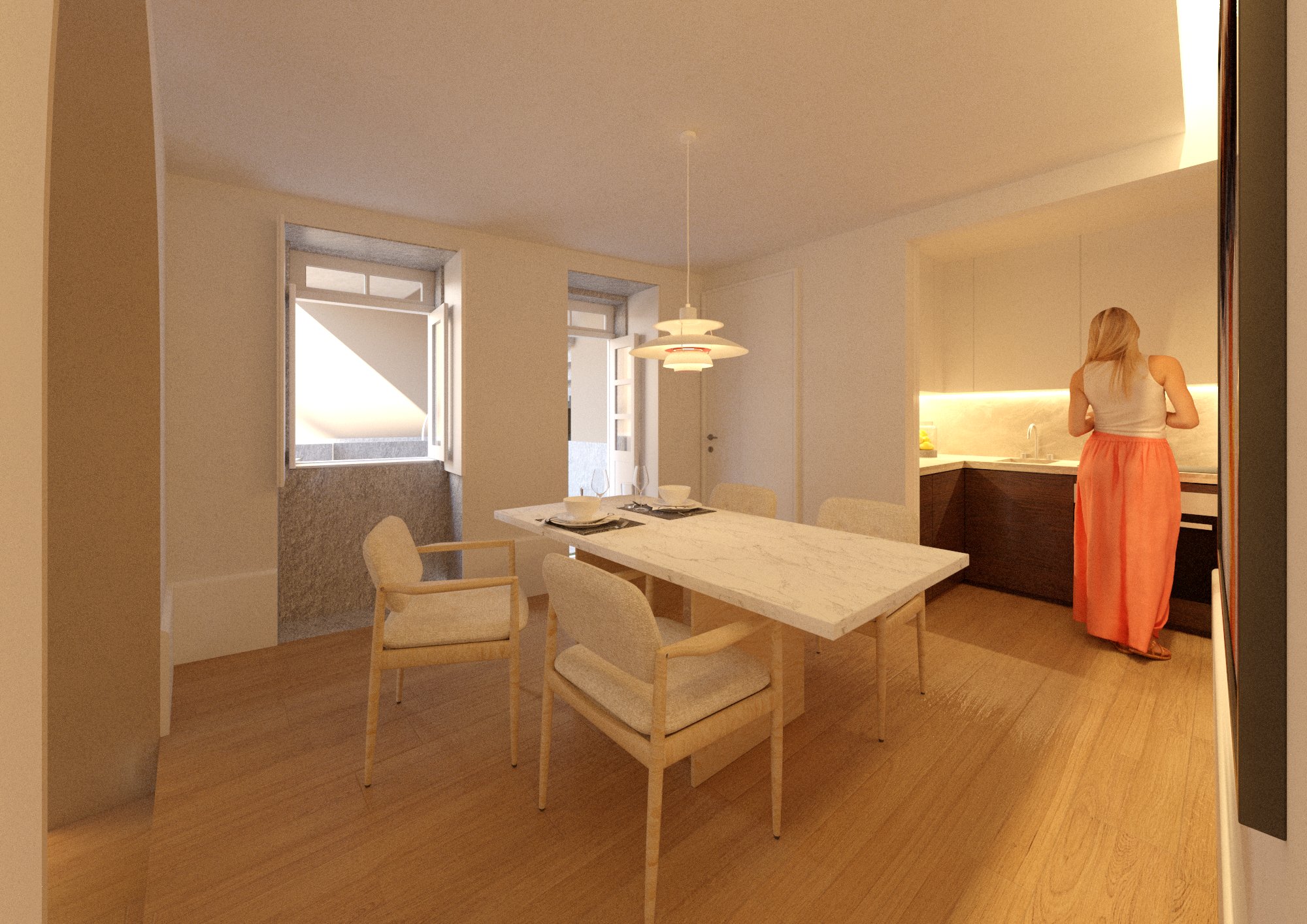
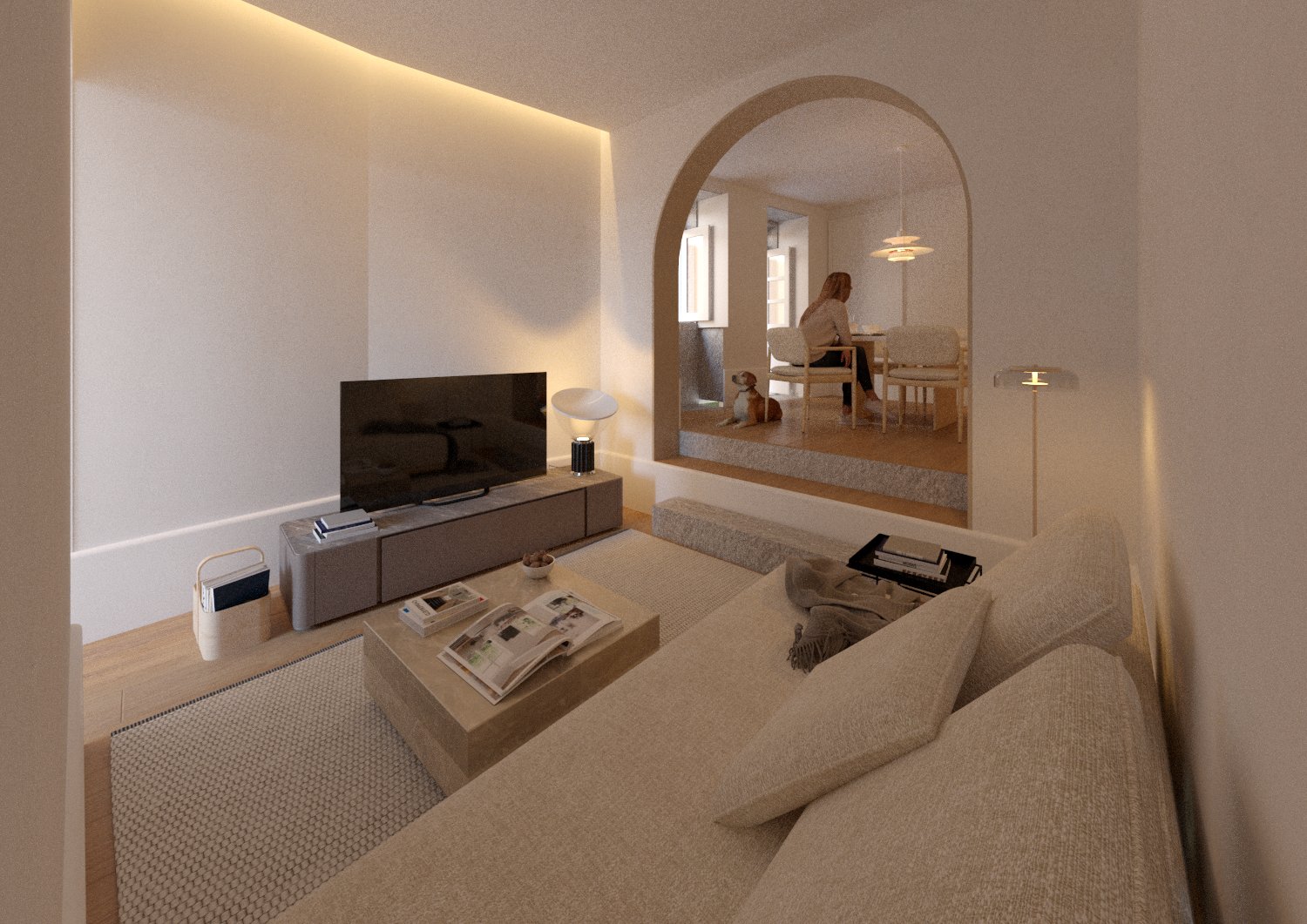
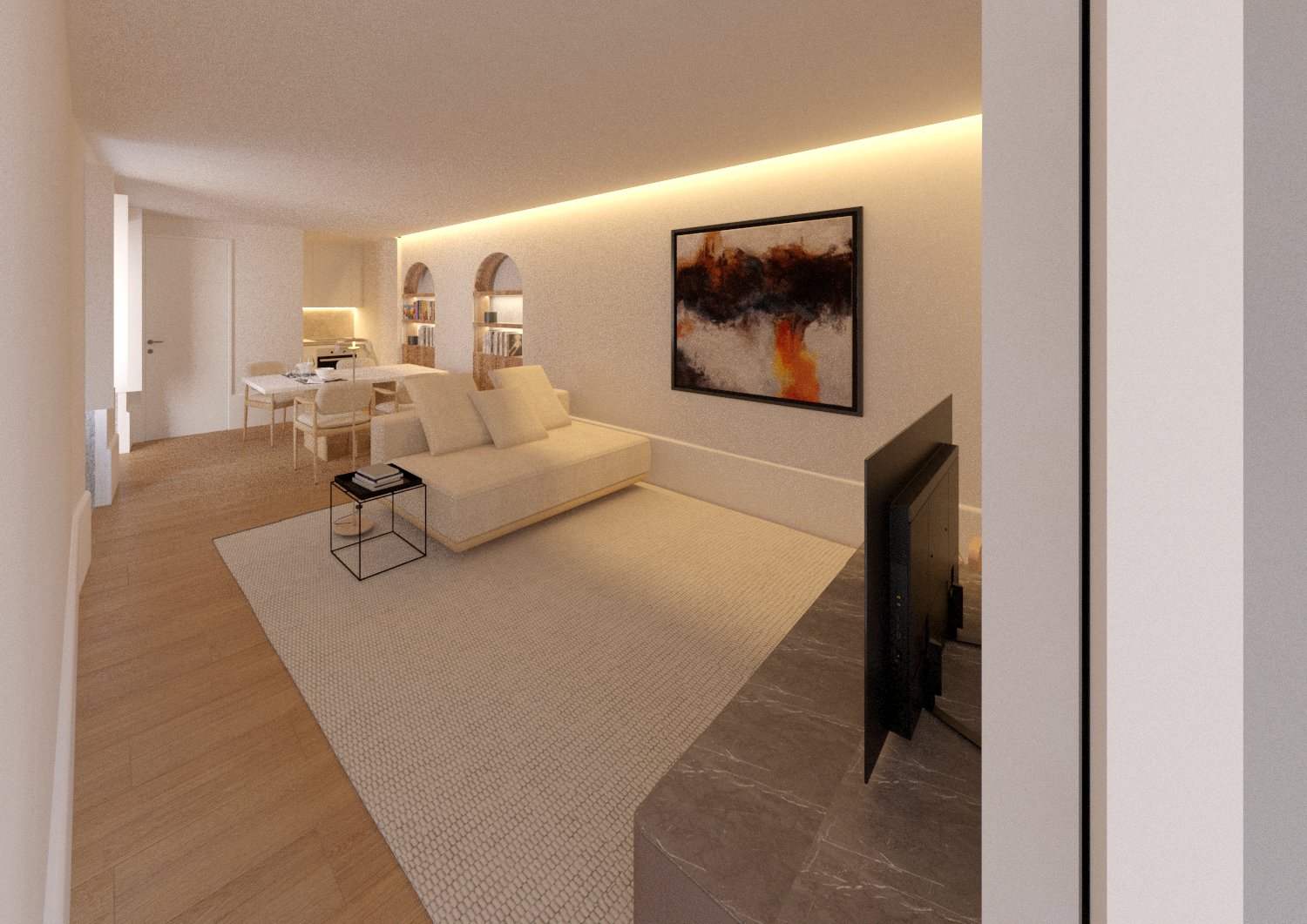
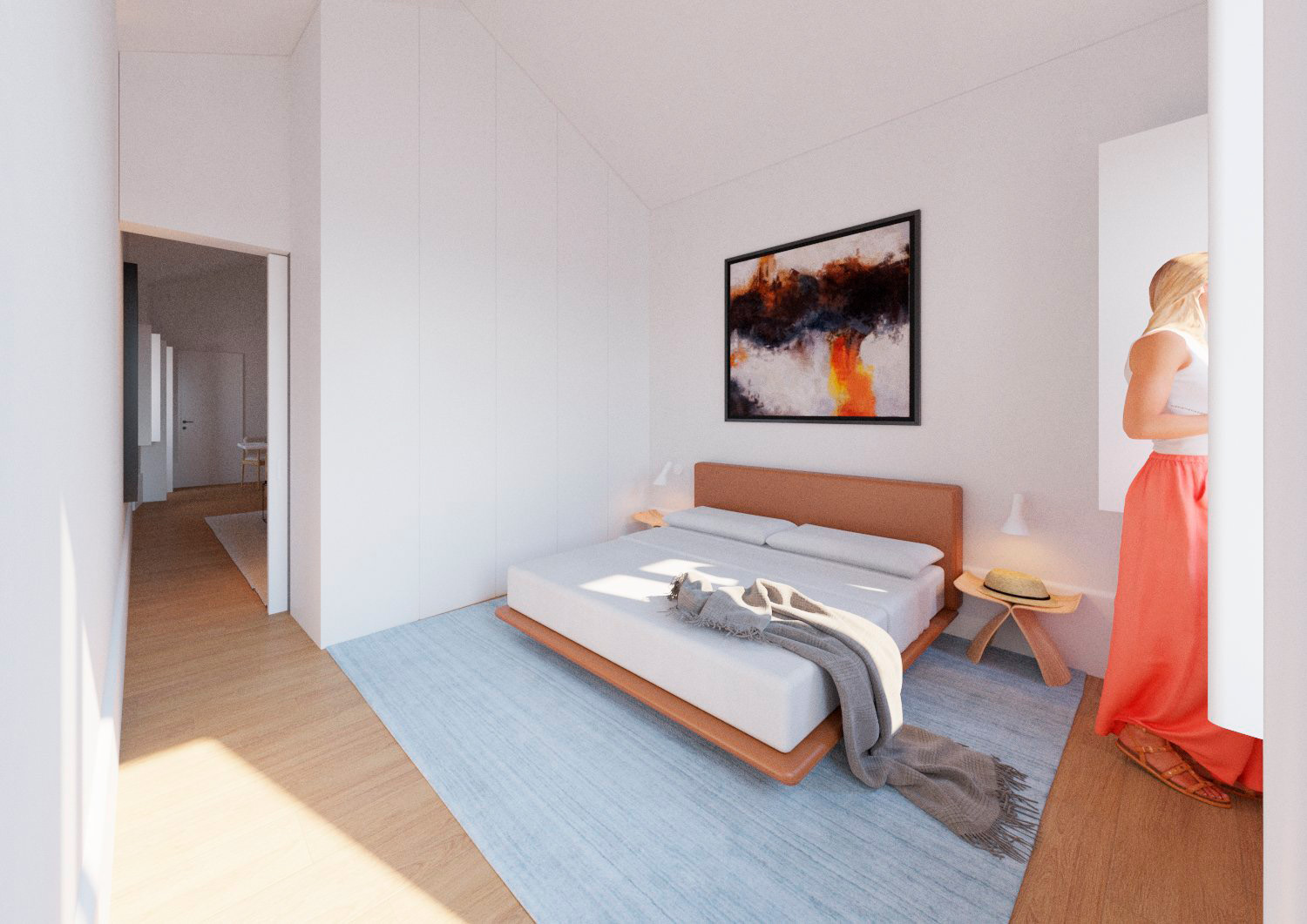
Inside, the intervention focuses on a refined language. The dwellings are one-bedroom typologies, with proportionate and functional areas, suited to contemporary urban housing needs. The use of neutral materials and discreet finishes allows natural light and spatiality to be the main protagonists.
More than a gesture of affirmation, the building presents itself as a silent intervention that enhances what already exists and reveals the potential contained in the space left unfilled.
Project Gallery
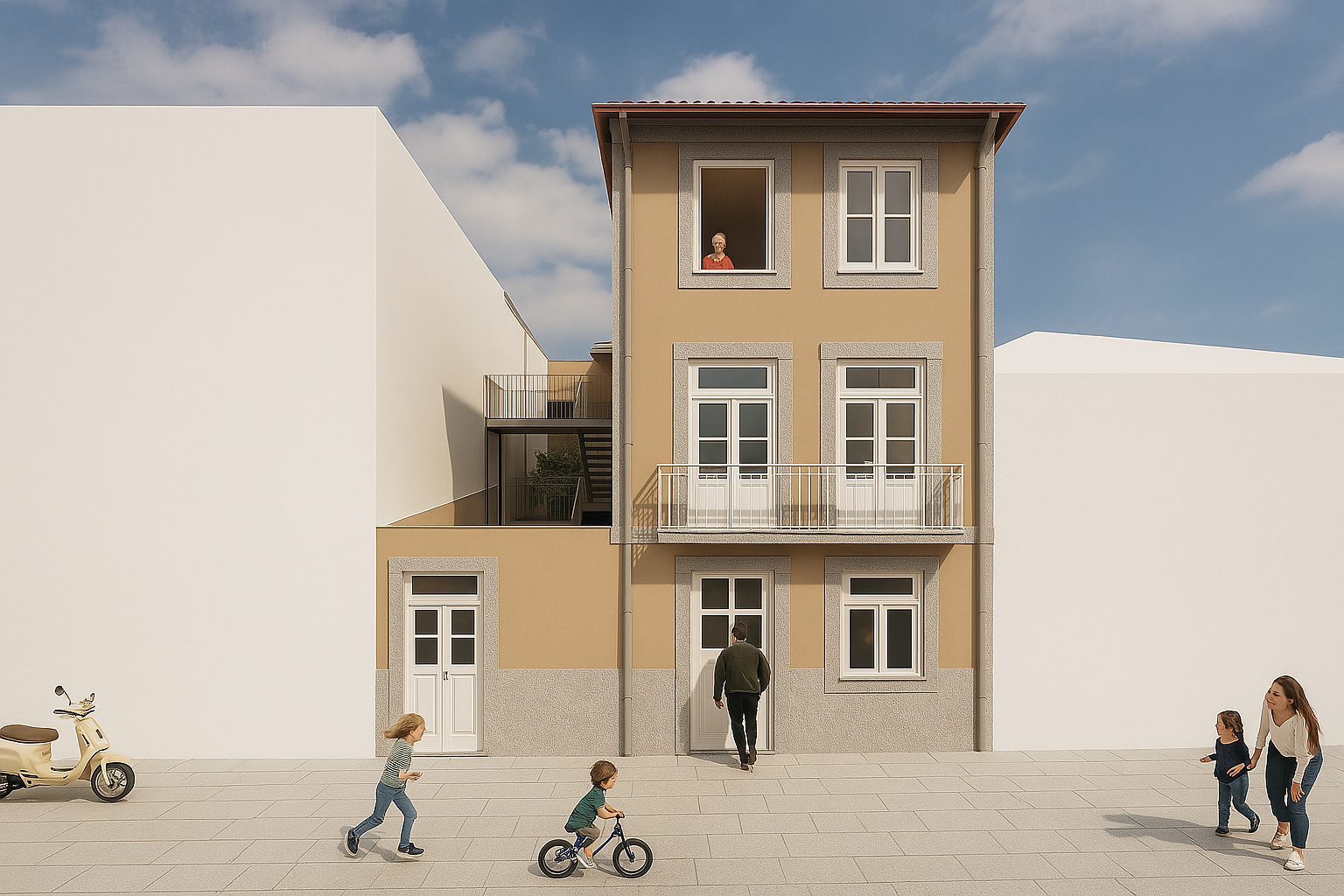
Unique Features
- Emptiness as architectural material: The intervention makes the most of the adjacent empty lot, transforming it into a structuring space for access and living. This void becomes an integral part of the architecture, opening up the building to the city and the light.
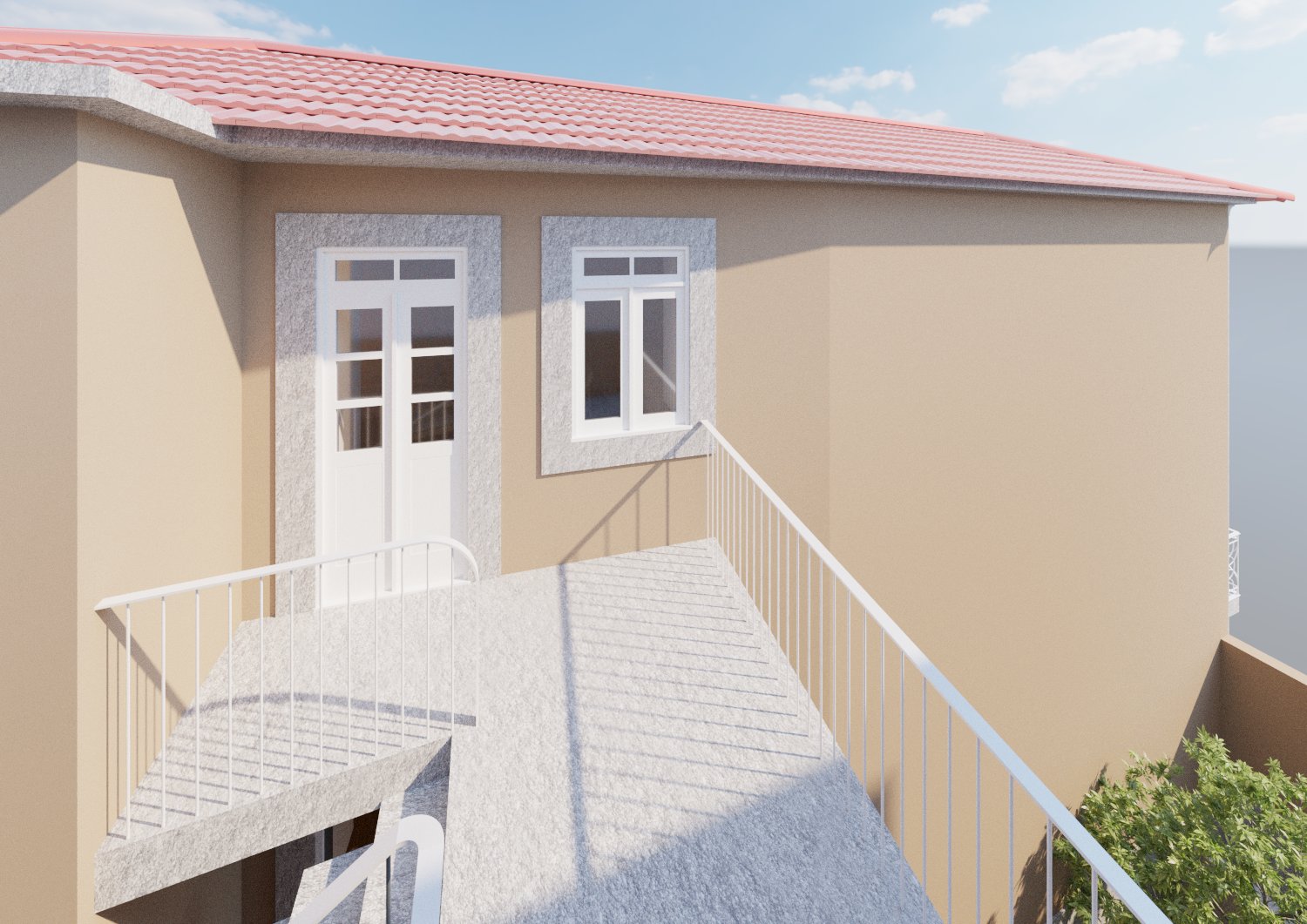
- Metal staircase as a central element: A light, white staircase runs vertically along the side void. More than functional, it is an element of design and lightness, sewing the different floors together with elegance and precision.
- Common entrance as a transitional space: The new entrance is designed as a route between the urban exterior and the residential interiors.
- Conscious and contained rehabilitation: The proposal respects the original structure of the building, introducing one-bedroom typologies with contained areas.
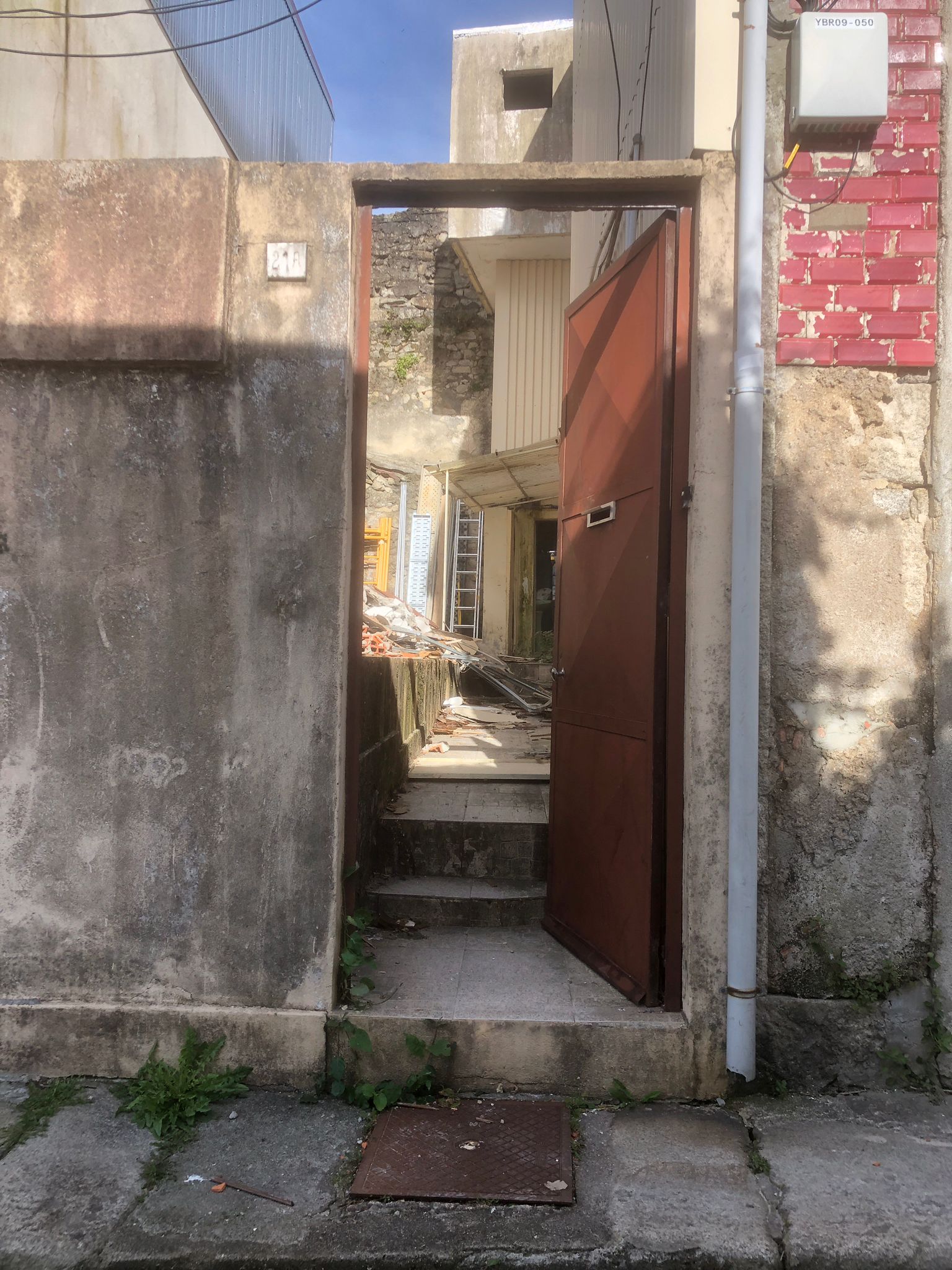
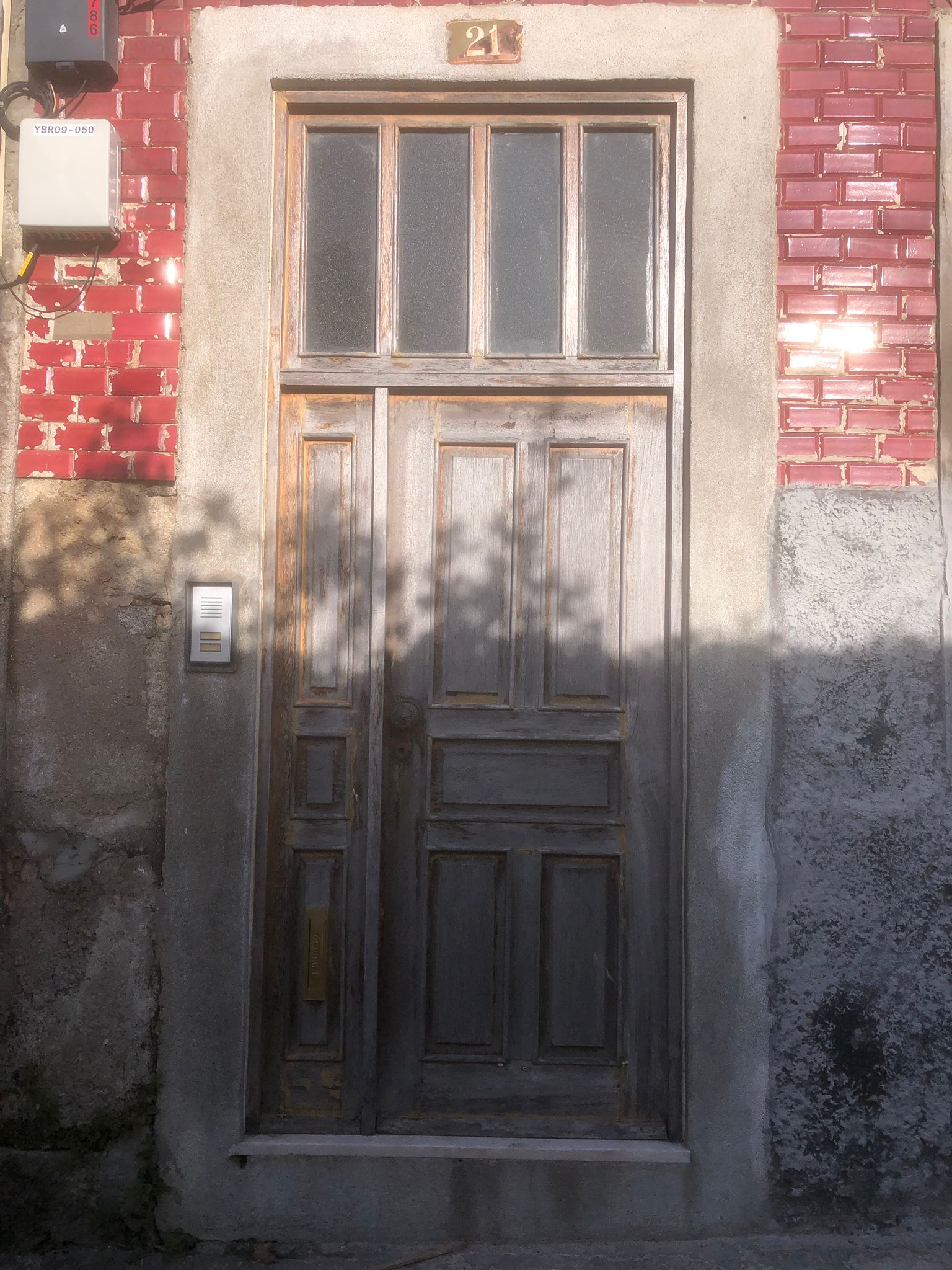
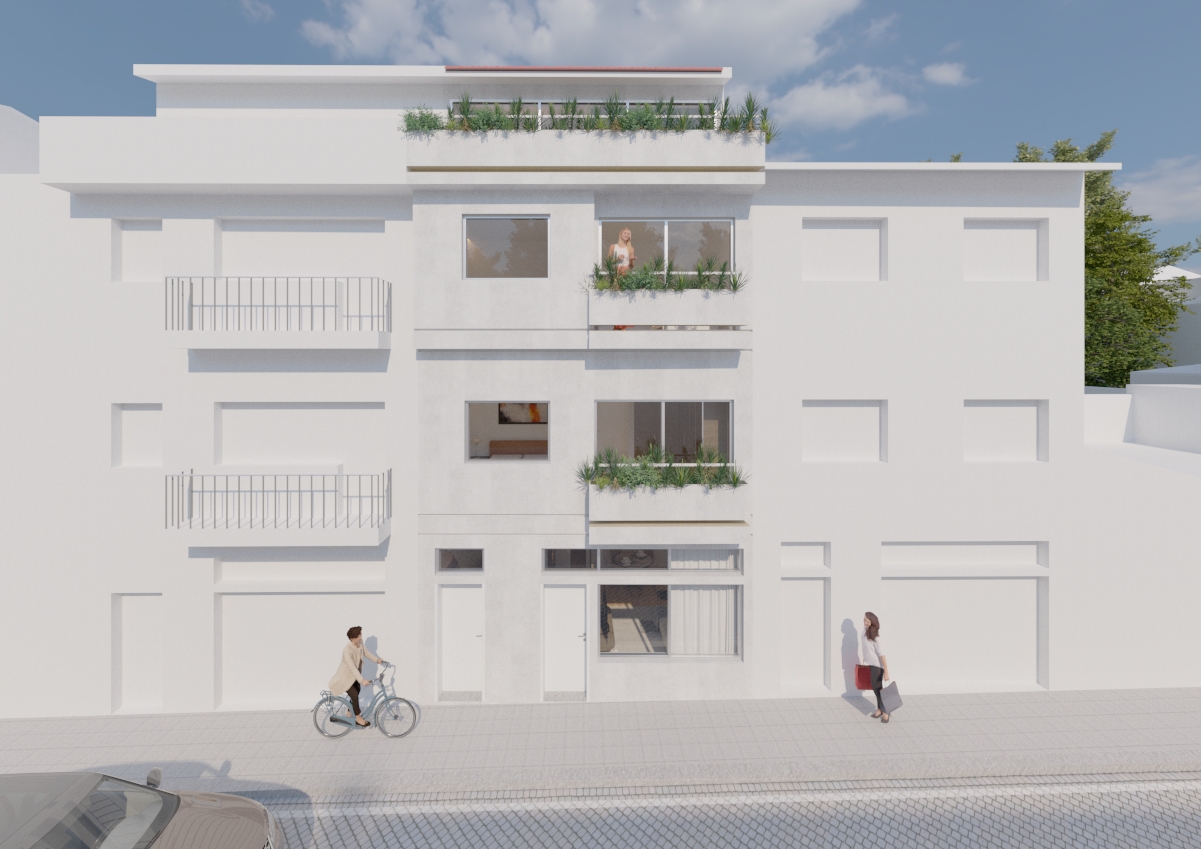
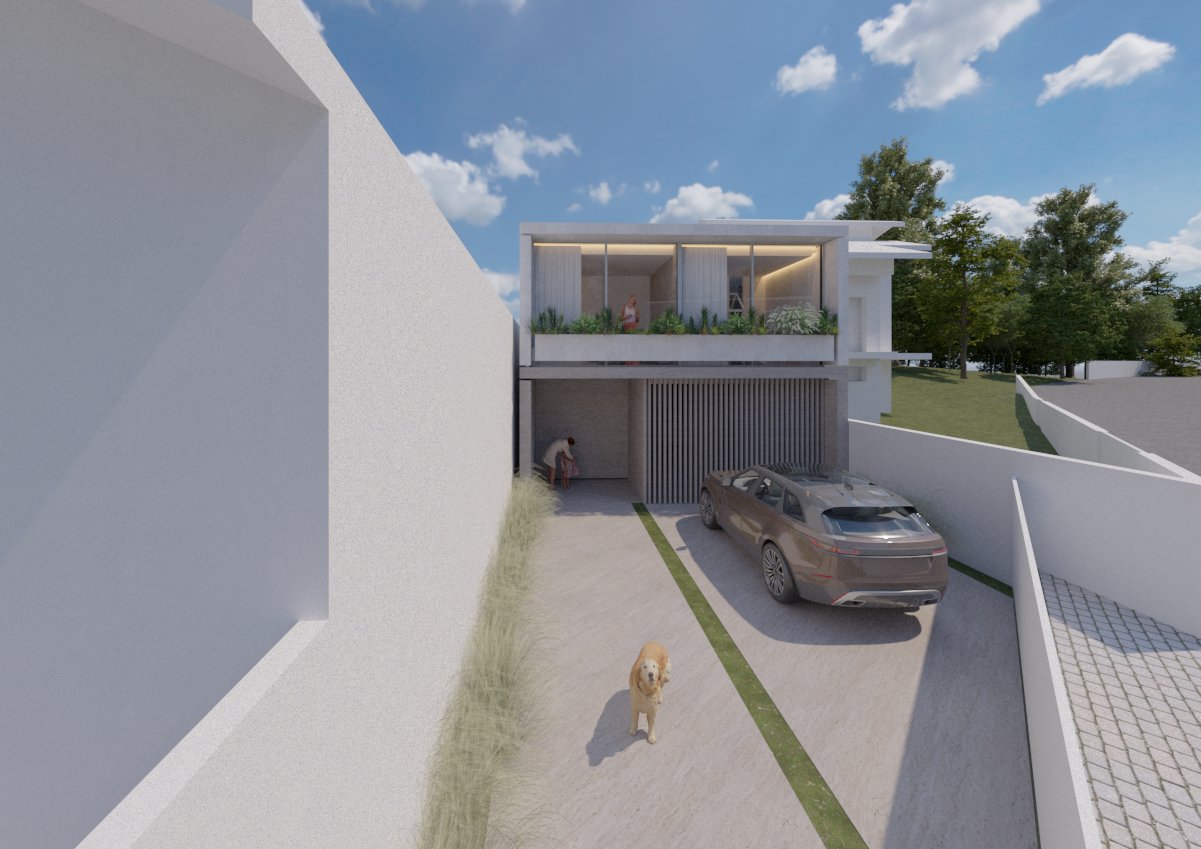

Instead of fully occupying the plot, the proposal chooses to preserve the void and use it as a point of articulation. The original interior staircase has been removed, and in its place is a white, light and minimalist metal staircase, designed as a functional and sculptural piece that floats between the two volumes.
This staircase, with its restrained but rigorous expression, establishes a new vertical order. Its structural lightness and refined design give it prominence in the outdoor space, while promoting ventilation and natural lighting for all floors.