RM03 | Oliveira de Azeméis
Client: Private
Area: 1000.00 m2
Team: to be defined
Construction: to be defined
Contractualization: 2023
[On license]
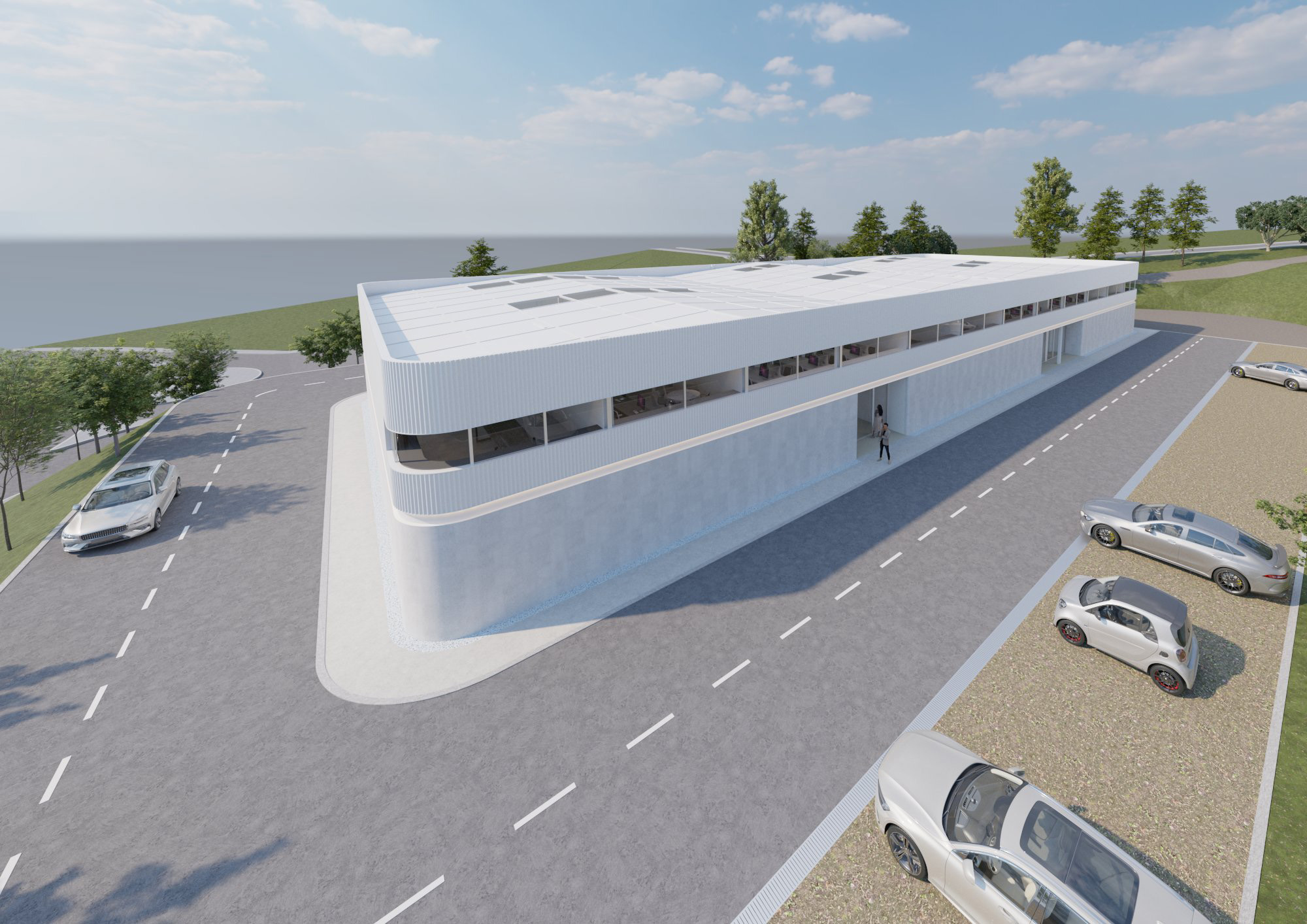
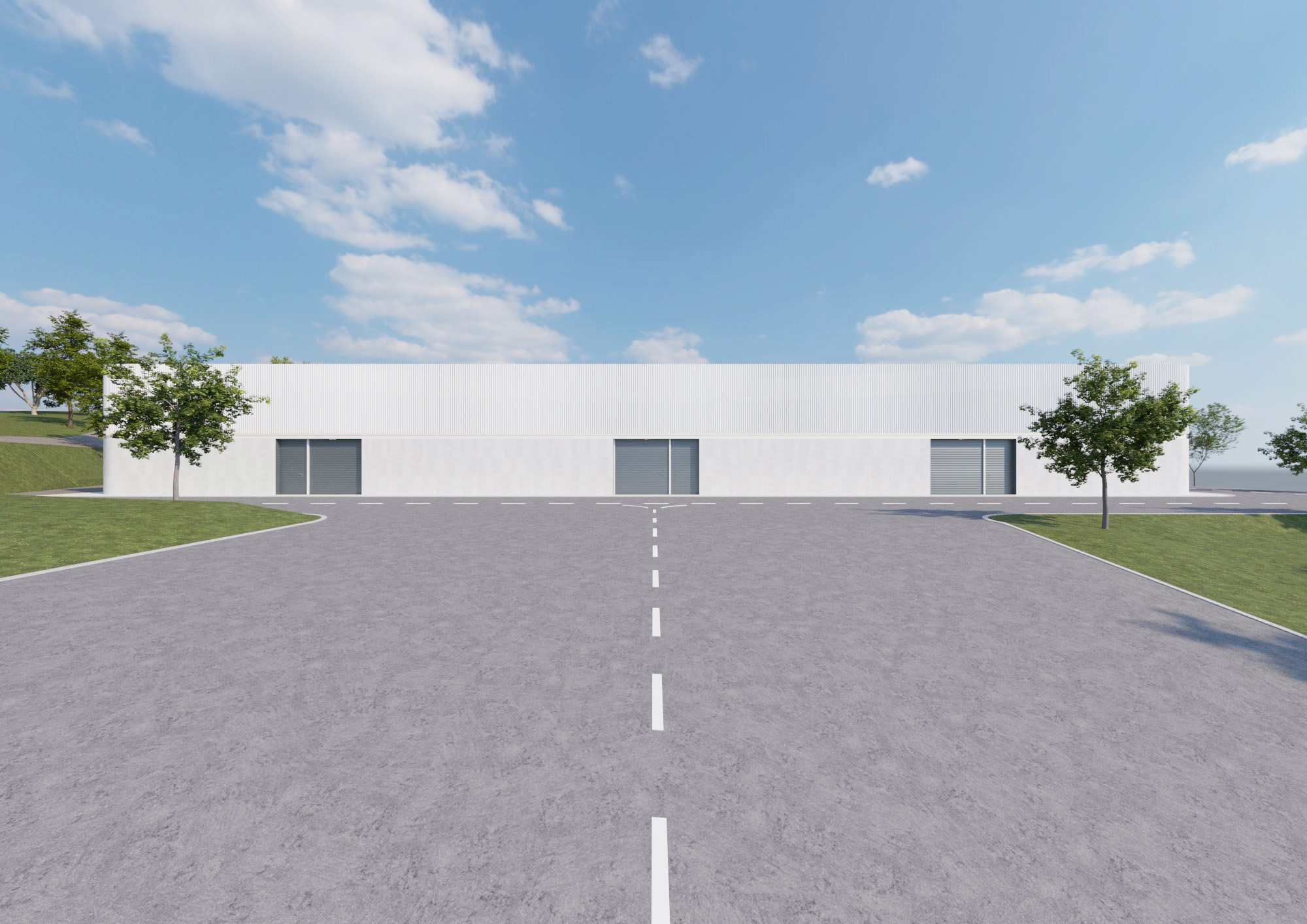
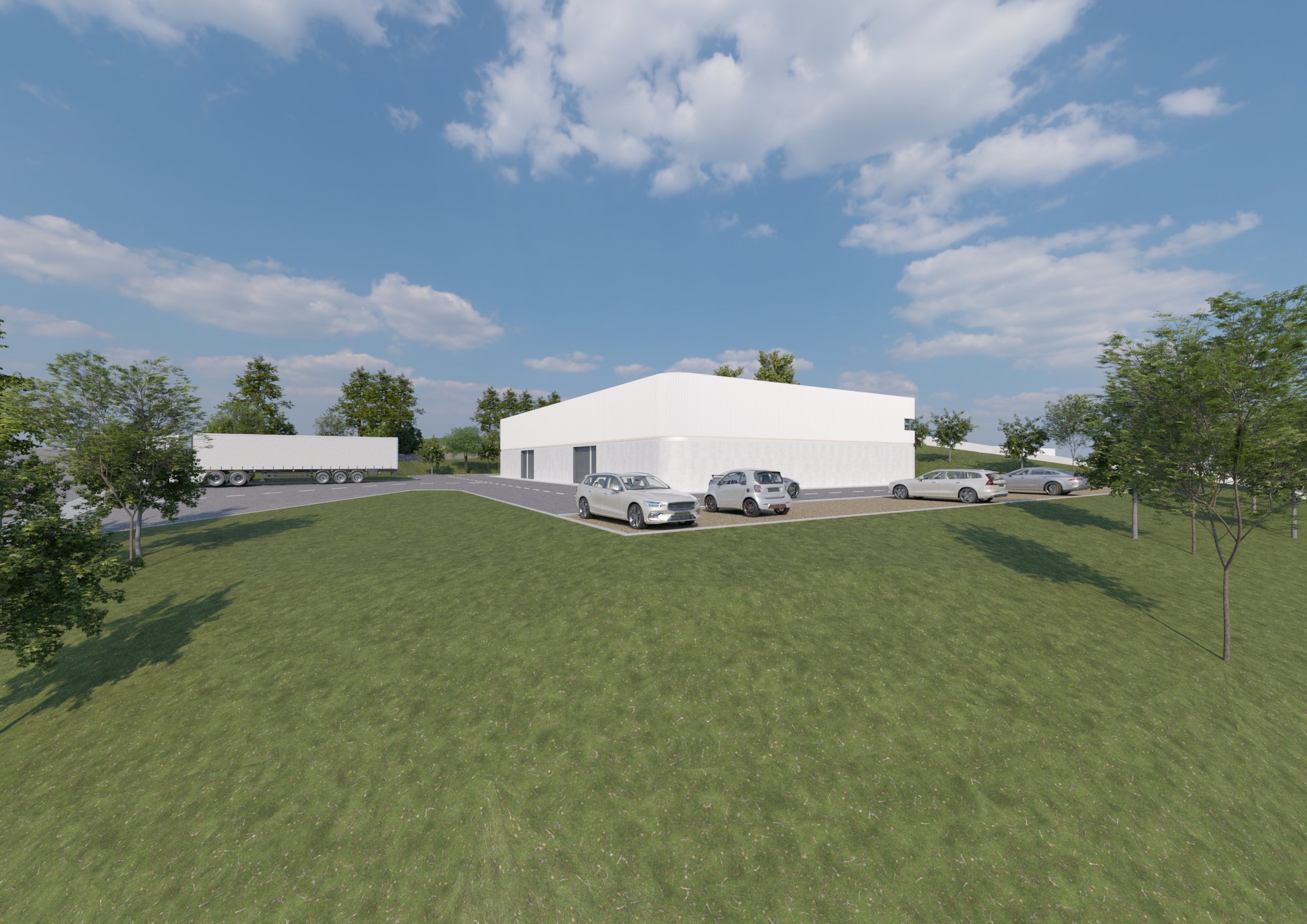
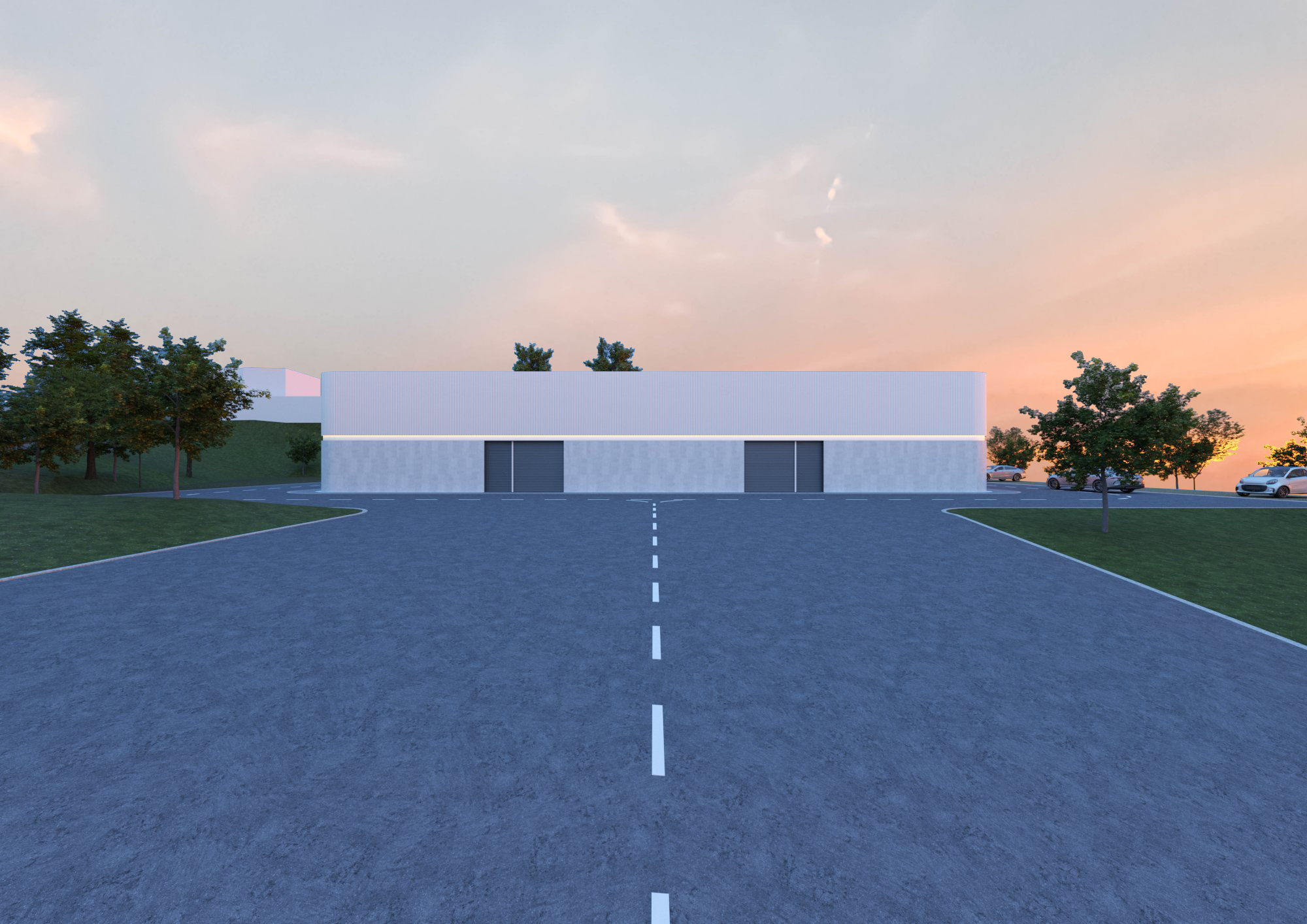
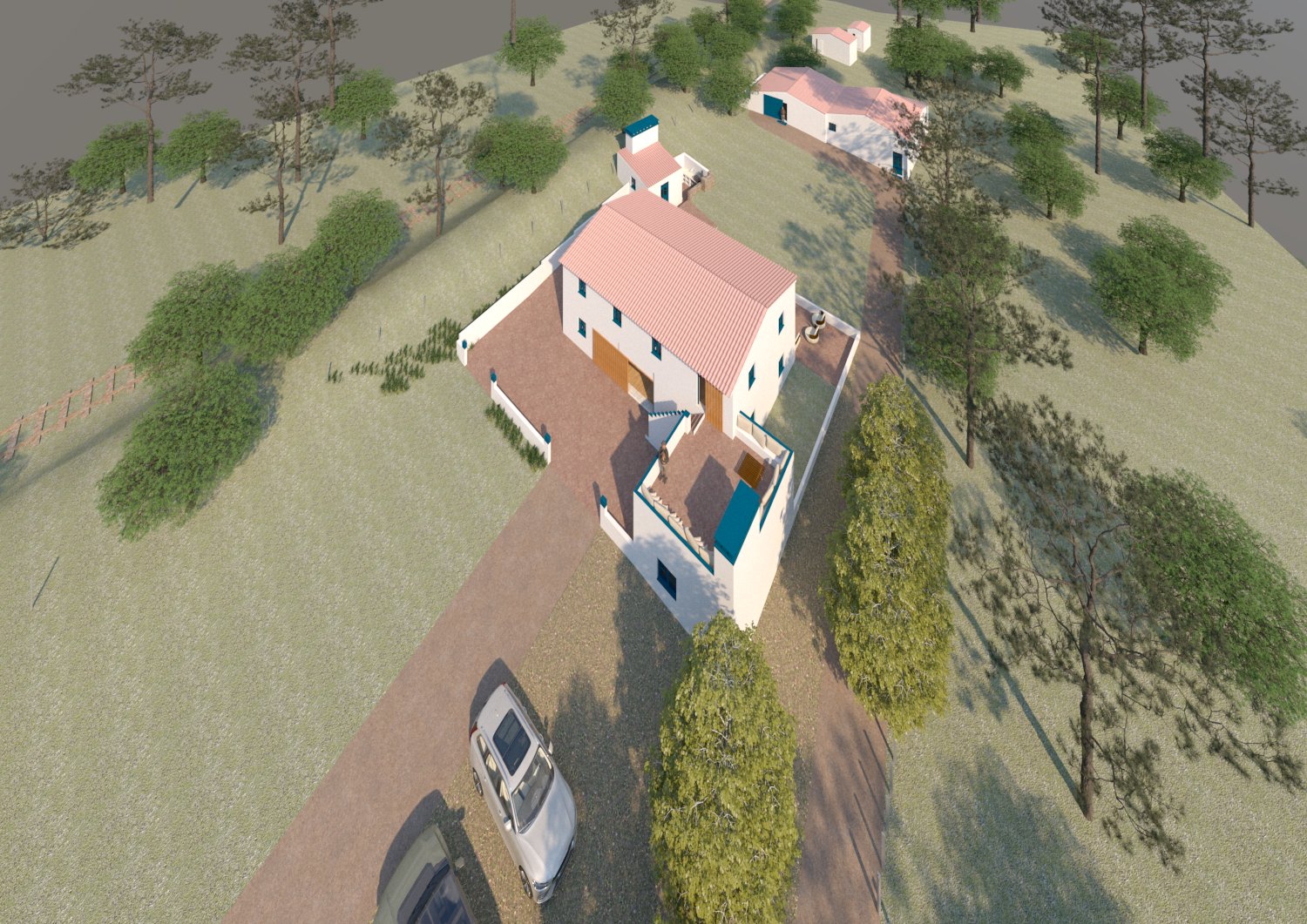
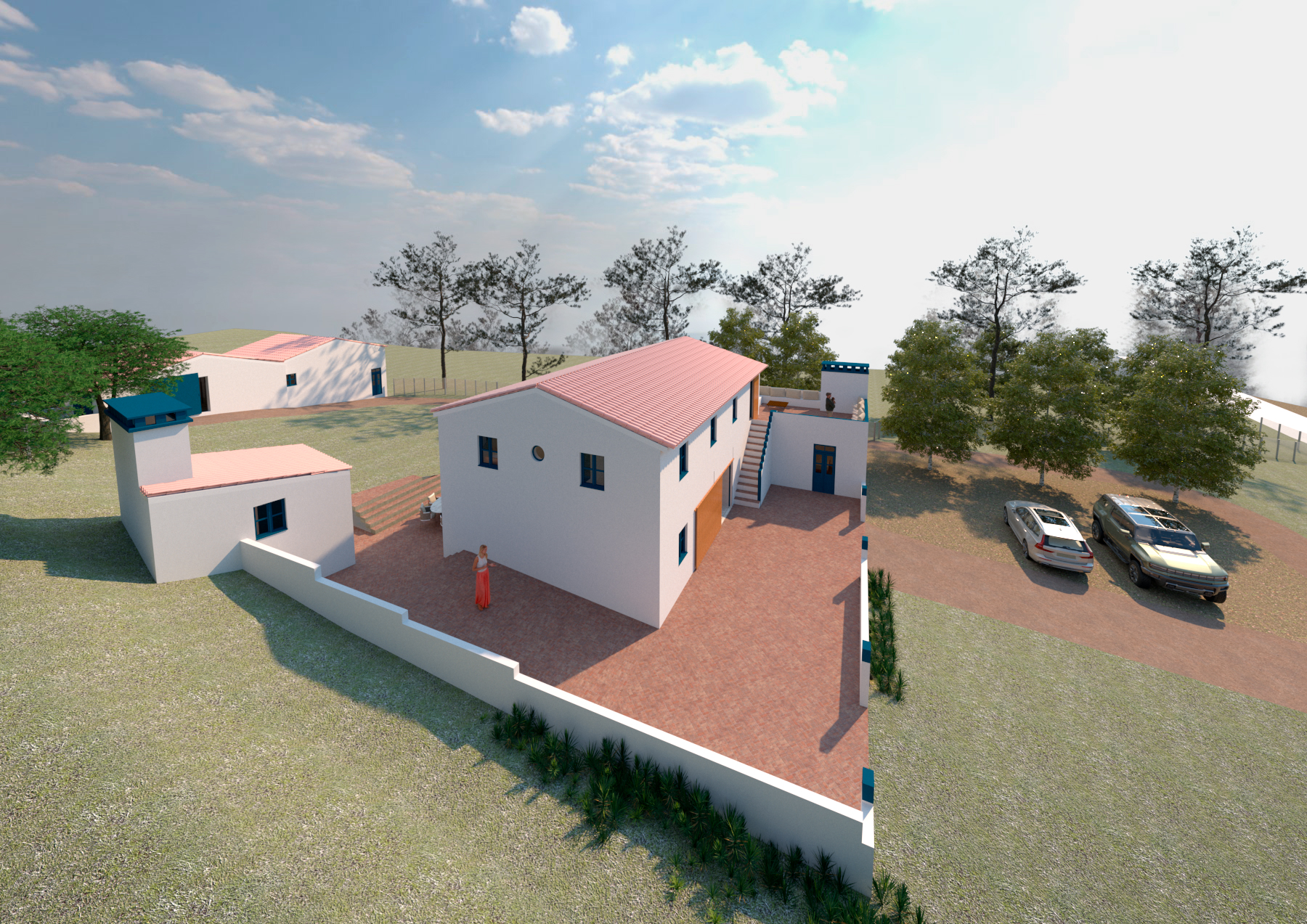
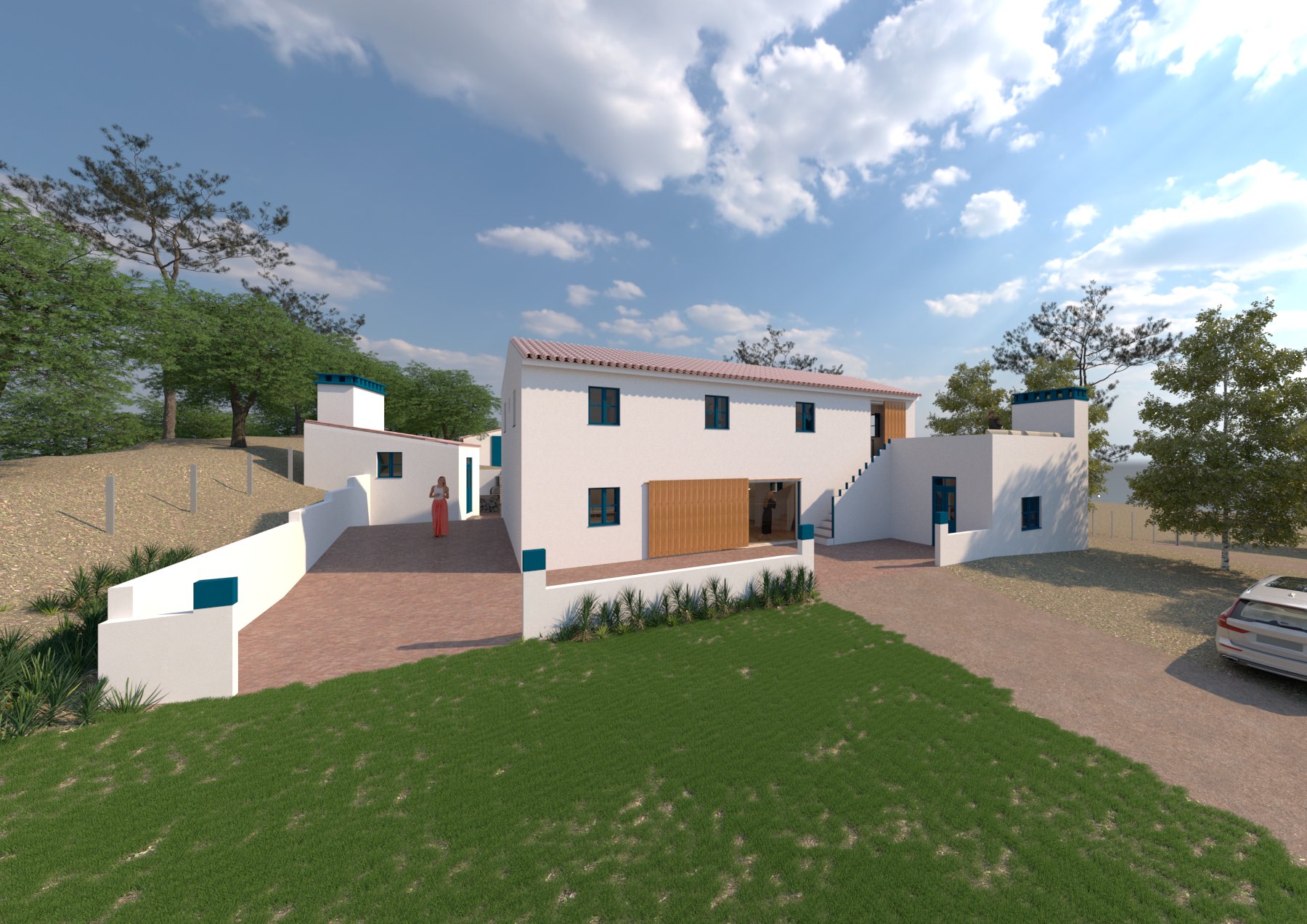
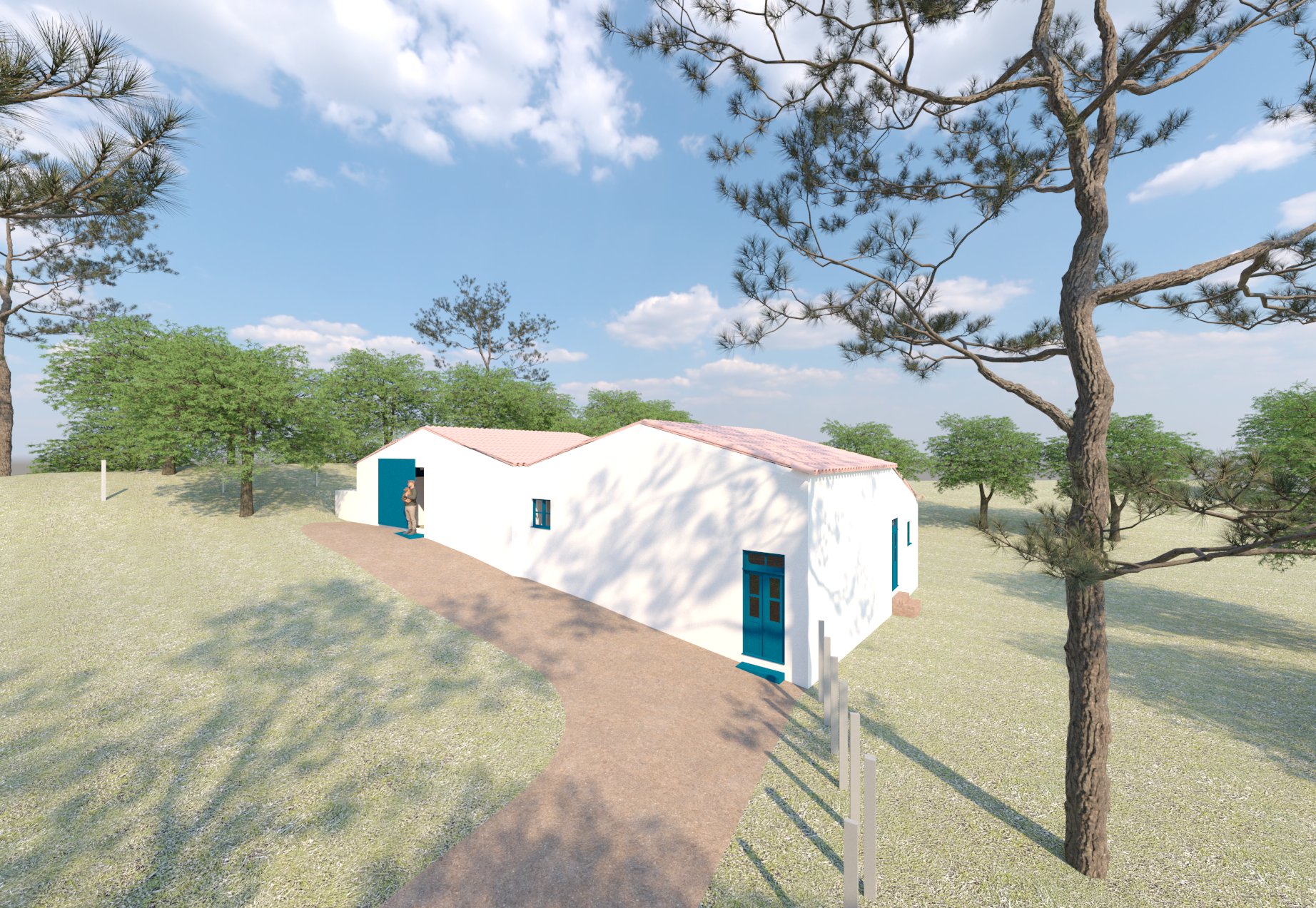
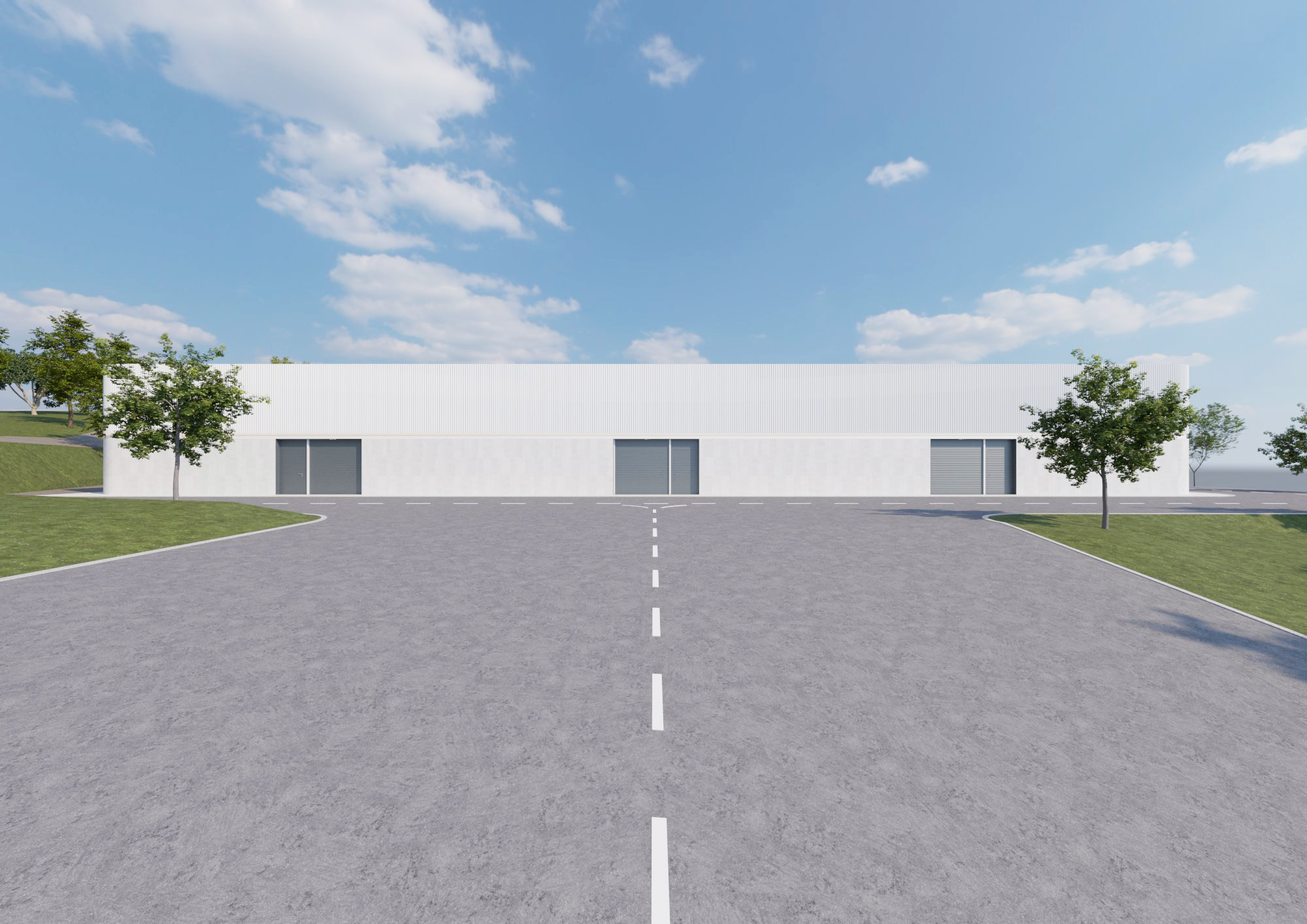
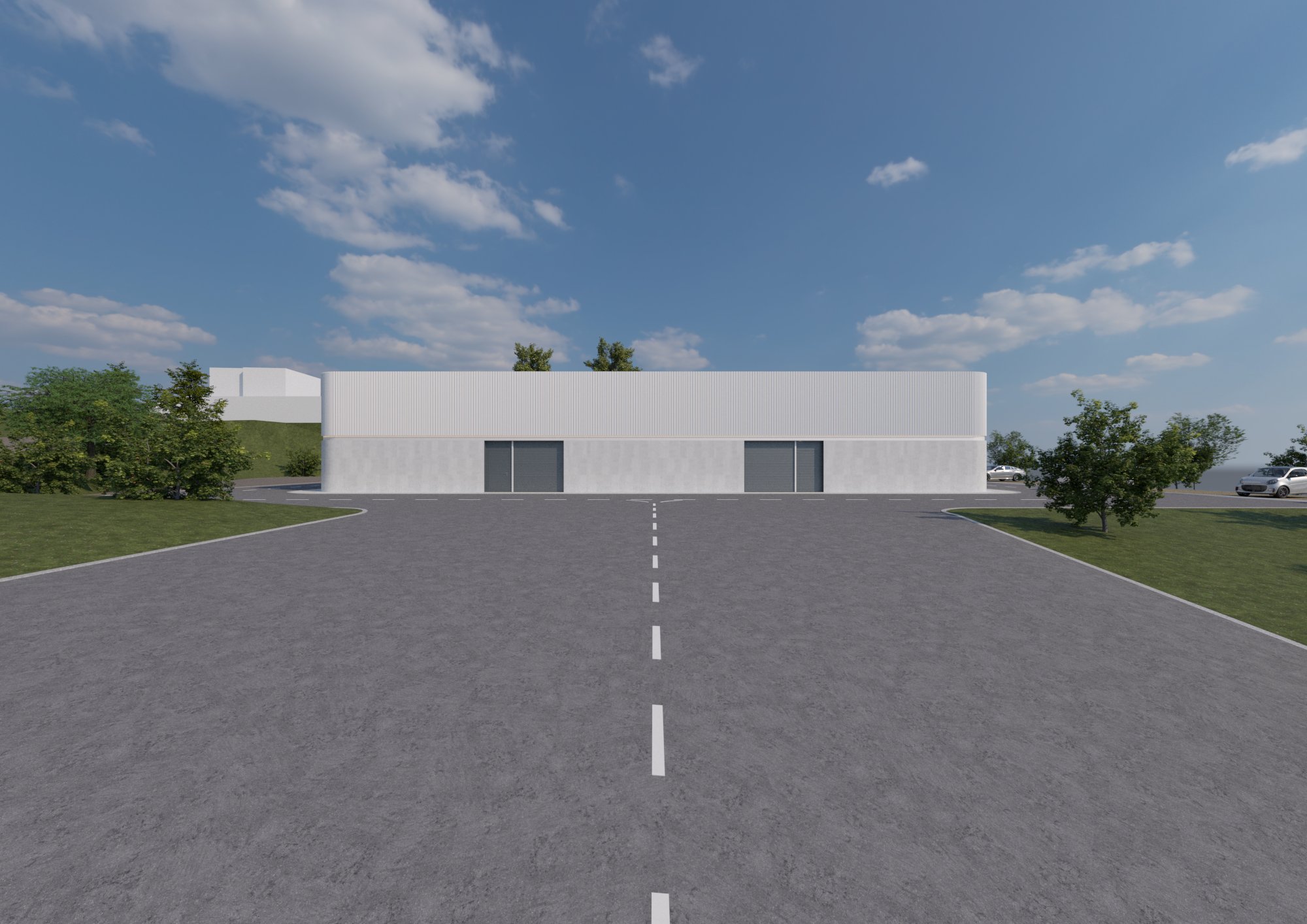
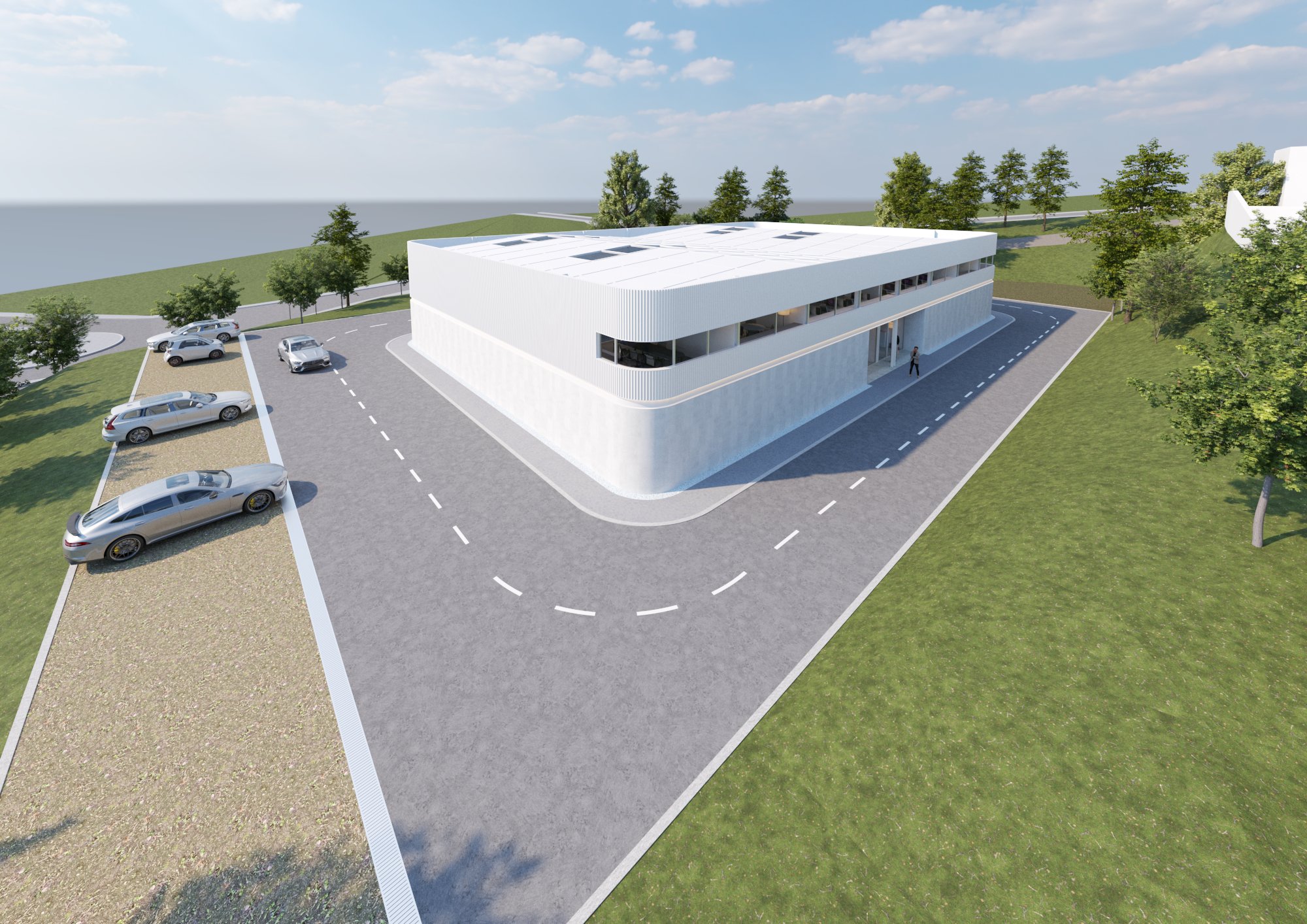
The design of the warehouses in Oliveira de Azeméis was based on a conventional format that blends into the local landscape, while always maintaining the premise of functionality.
A lighted line was designed that cuts through the façade, offering not only an element of illumination, but also an identity.
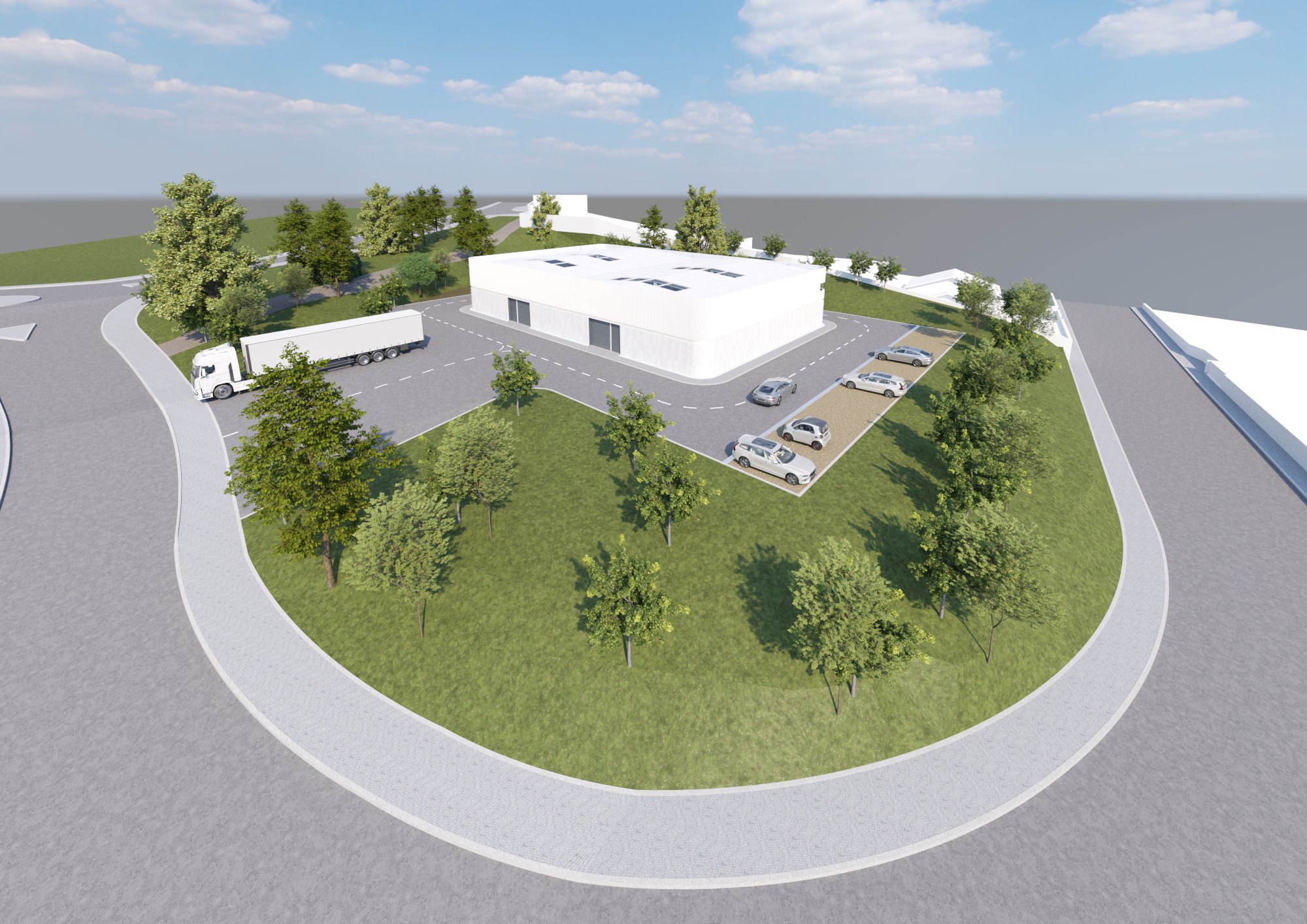
From the outset, consideration was given to the routes that surround the warehouses, creating fluid and functional accesses to ensure efficient routine operation.

the process of designing industry
The importance of function
With a plot of land already designated for the construction of industrial pavilions, the design of two initial warehouses was requested. However, during the process of analysis and detailed study of the site and its needs, it became clear that it was feasible to extend the project to build three warehouses, an option that would not entail a substantial increase in construction costs.
From the outset, there was concern about the function and versatility of these industrial spaces, given that, as the end user is not involved, the specific sector of activity that will occupy these facilities has not yet been defined.
The end result was a project that harmonized functionality, efficiency and the ability to adapt to the uncertainties related to the future use of these industrial warehouses.
drawing the light
Designing the interior space
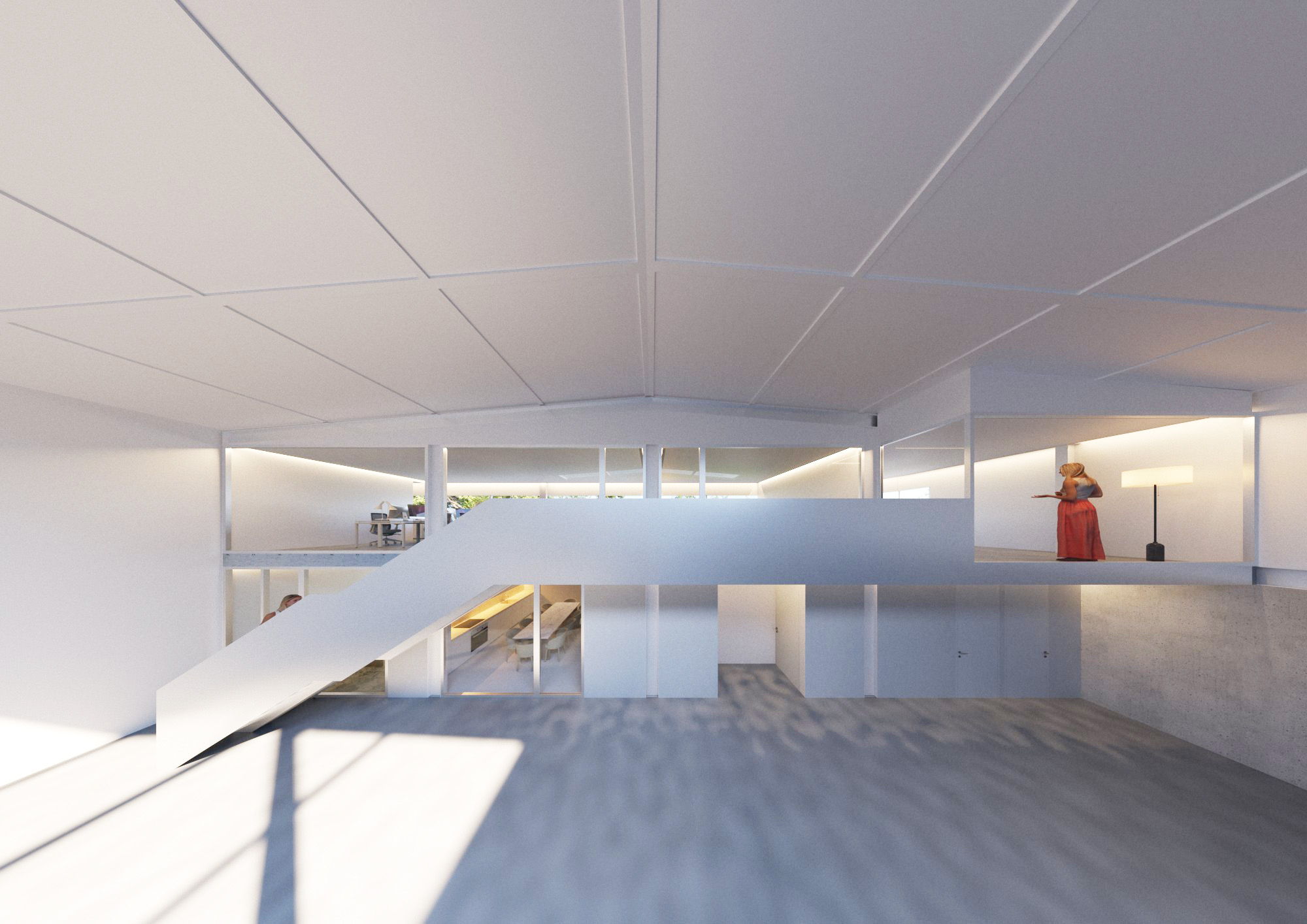
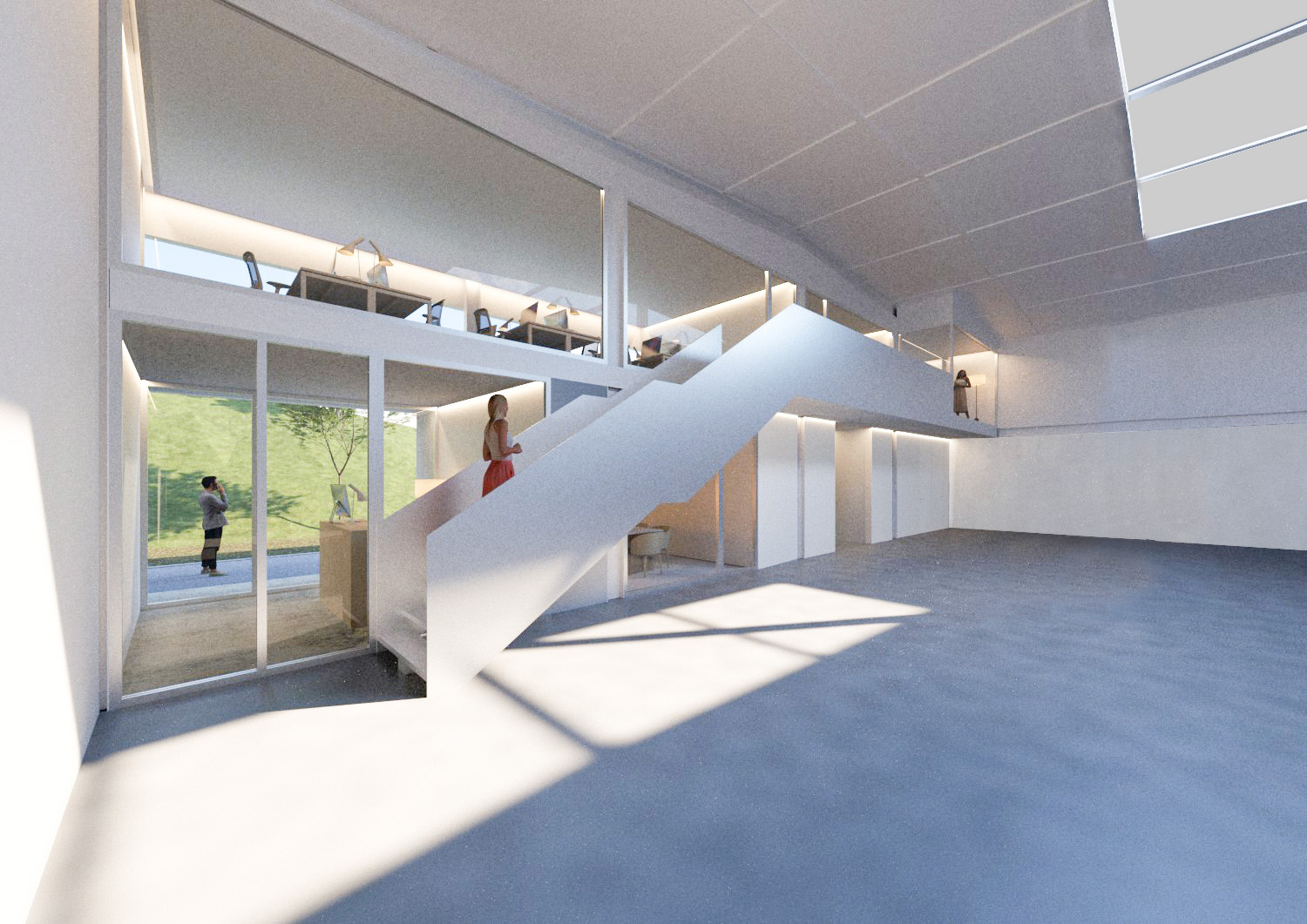
The challenge of this project was to create two symmetrical warehouses, strategically designed to provide the flexibility to operate as a single space when needed. This symmetry allowed the warehouses to work together, meeting the demand for larger storage or production areas. What’s more, the introduction of a common entrance proved to be a moment in time, transforming the act of arrival into a distinctive moment for all users of the complex.
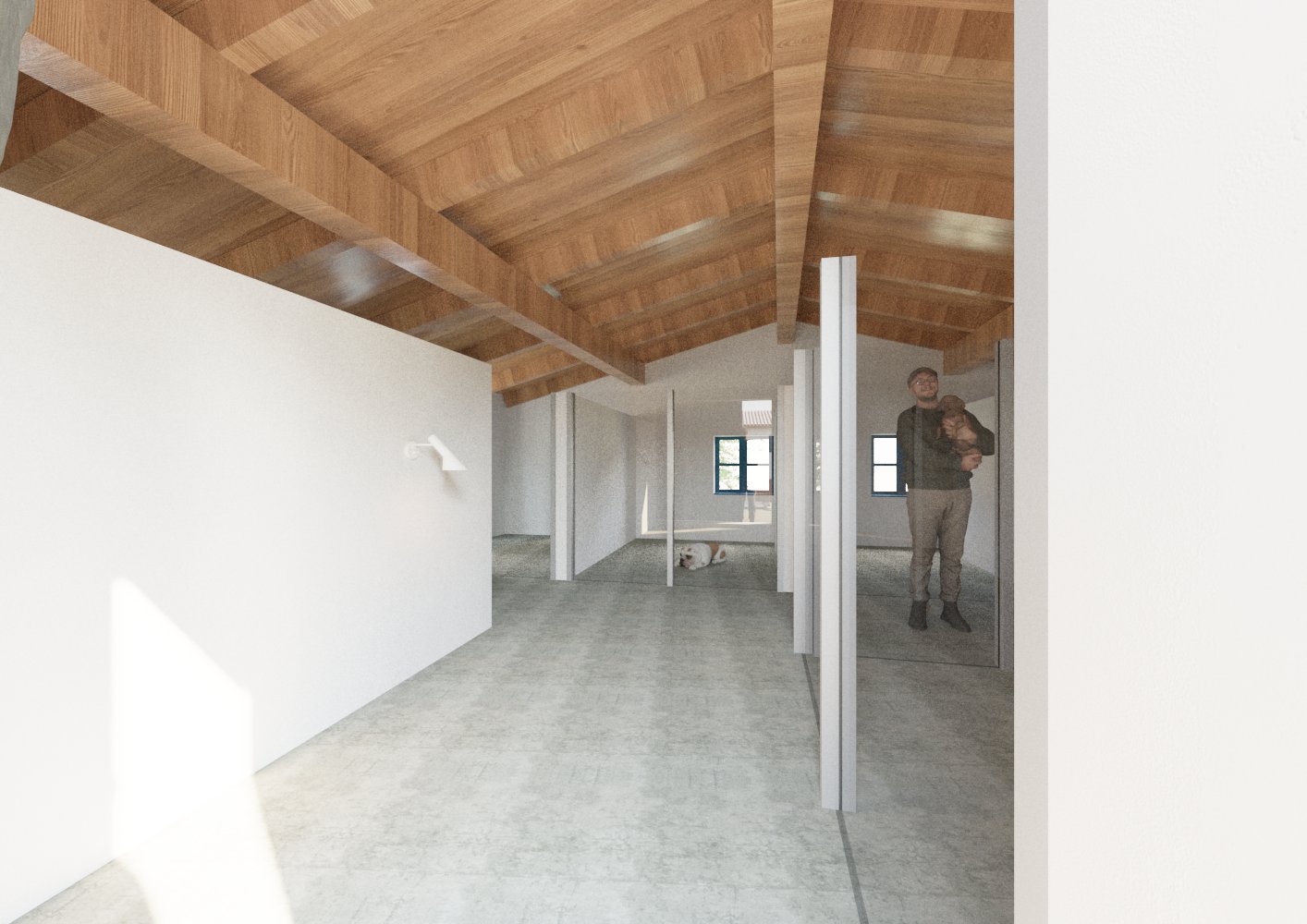
To optimize functionality, the project included the creation of versatile office spaces, with dynamic facilities that adapt to different types of use. This gave users the ability to customize the offices according to their specific needs.
The slit windows on the façade and the skylights in the production spaces were incorporated to improve the comfort of the spaces, maximizing the entry of natural light and creating a more comfortable and productive environment.
Project Gallery